Retail Center Construction for McKinney and Collin County
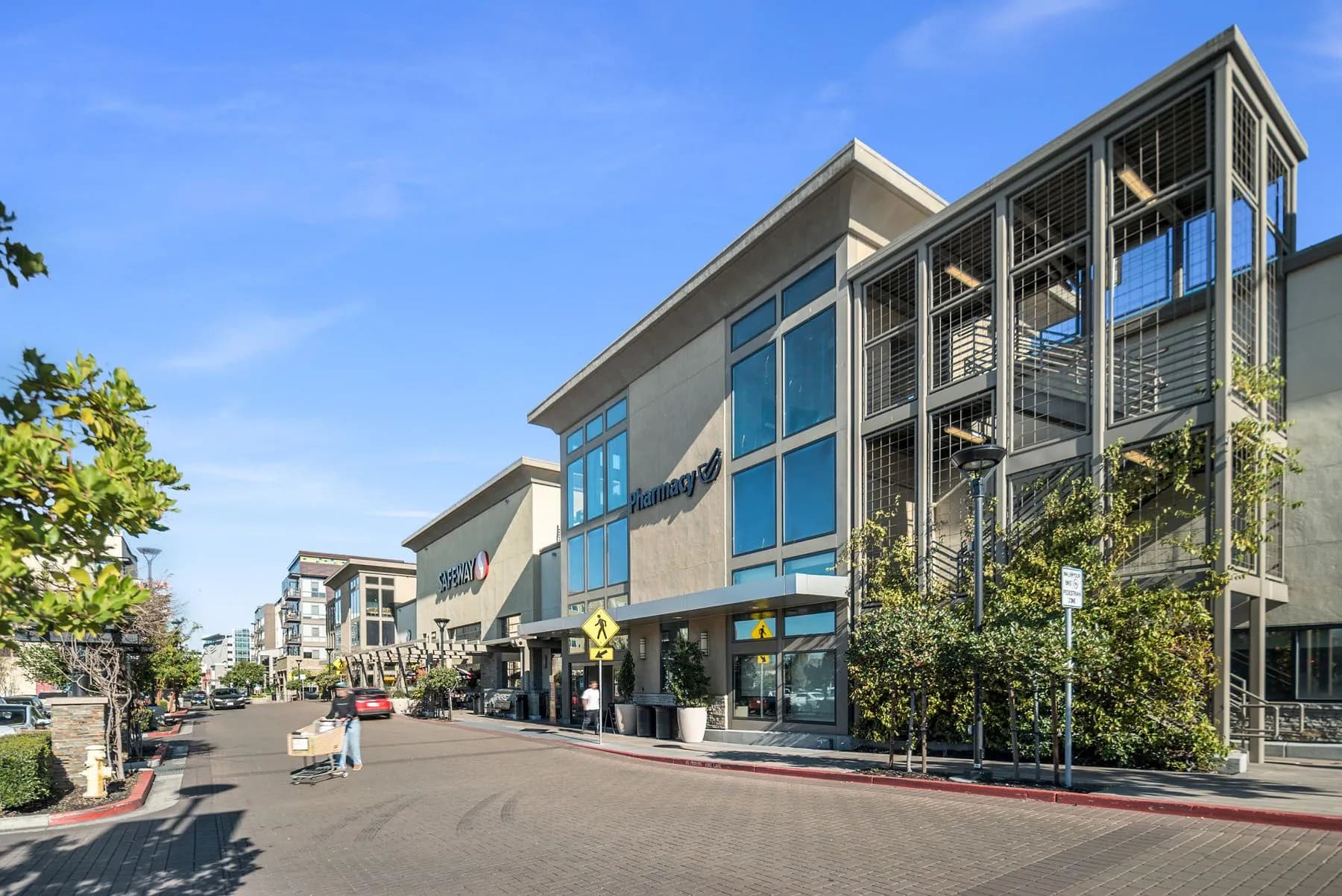
General Contractors of McKinney builds retail centers, strip centers, in-line retail buildings, and pad site retail for developers and owner-operators in McKinney and Collin County. Retail construction in McKinney has accelerated along the city's major commercial corridors as the residential population in Stonebridge Ranch, Trinity Falls, Tucker Hill, and surrounding master-planned communities has grown — the retail demand follows rooftops, and McKinney has been adding rooftops at a rapid pace.
Retail center construction differs from industrial or office construction in several important ways. Retail tenants frequently have their own prototype standards, grand opening commitments, and corporate timeline requirements that the landlord's contractor must accommodate. A grocery-anchored retail center where the anchor tenant has a specific opening date for its weekly ad campaign will not accept a general contractor who delivers the anchor space two weeks late. We build retail projects with retail schedule discipline.
McKinney's commercial design standards regulate the exterior appearance of retail buildings in the city's commercial corridors and some master-planned commercial areas. Retail elevation designs must comply with McKinney's building material requirements, window glazing minimums, and architectural articulation standards for commercial frontages. We work with the retail architect from the start of design to ensure that the retail center elevation complies with McKinney's standards and clears the plan review process without corrections that cost schedule.
- Grocery-anchored retail center construction
- Strip retail center shell and tenant improvement construction
- Single-tenant pad site restaurant and retail construction
- In-line retail with drive-through restaurant pad construction
- Mixed-use retail and service commercial center construction
Retail Center Preconstruction and Tenant Coordination
Retail center preconstruction at General Contractors of McKinney includes a tenant requirement review for any confirmed or committed tenants. National retailers frequently have specific structural bay sizes, floor-to-floor heights, MEP service capacities, and loading access requirements that must be designed into the center's base building from the start. Building a retail center shell and then discovering that an anchor tenant's prototype requires structural modifications is an expensive problem that preconstruction coordination prevents.
Retail center parking and site design in McKinney must comply with the city's parking ratio requirements for retail uses, the driveway spacing standards for the adjacent street classification, and the landscape buffer and streetscape requirements that apply to McKinney commercial sites. We coordinate parking layout, access drive design, and landscaping compliance with the civil engineer during preconstruction so that these requirements do not generate plan check corrections after permit submission.
Retail center paving — large parking fields and drive aisles carrying regular passenger vehicle traffic — on McKinney's Blackland Prairie clay must be designed for long-term performance. Retail parking that cracks and ponds water damages the center's appearance and creates maintenance costs for the landlord. We scope retail paving from geotechnical data rather than applying generic commercial paving sections.
- Anchor and national tenant requirement review before structural design
- McKinney parking ratio and driveway spacing compliance coordination
- Retail elevation compliance review for McKinney commercial design standards
- Retail paving design from geotechnical data for long-term performance
- Construction schedule alignment with anchor tenant opening commitments
Field Execution for Retail Center Projects
Retail center field execution at General Contractors of McKinney manages the relationship between anchor tenant delivery and the overall center schedule. Anchor tenants frequently begin their own tenant improvement construction immediately after the landlord's shell is delivered, and the anchor's fit-out contractor and the landlord's shell contractor must coordinate site access, utility connections, and inspection sequencing during the overlap period. We manage this coordination proactively rather than leaving it to the field teams to work out.
Retail center construction in McKinney during the summer requires careful management of concrete paving placement conditions. A large retail parking field placed during July and August needs early morning pours, ice-batched concrete, and curing compound applied immediately after finishing to prevent plastic shrinkage cracking and surface defects that compromise both the appearance and the long-term performance of the parking surface.
Retail center close-out involves coordinating certificates of occupancy for both the anchor space and the shell tenant bays, which may be issued at different times if the anchor completes its fit-out on a different schedule than the shell's final inspection. We track each certificate of occupancy independently and coordinate the sequence with the owner's leasing timeline.
- Anchor tenant shell delivery coordination with fit-out contractor overlap management
- Summer concrete pour protocols for retail center parking fields
- Retail center site work and paving completion before anchor opening
- Multi-certificate-of-occupancy sequencing for anchor and shop tenants
- Final site inspection and retail center turnover to landlord
McKinney Retail Center Construction Service Area
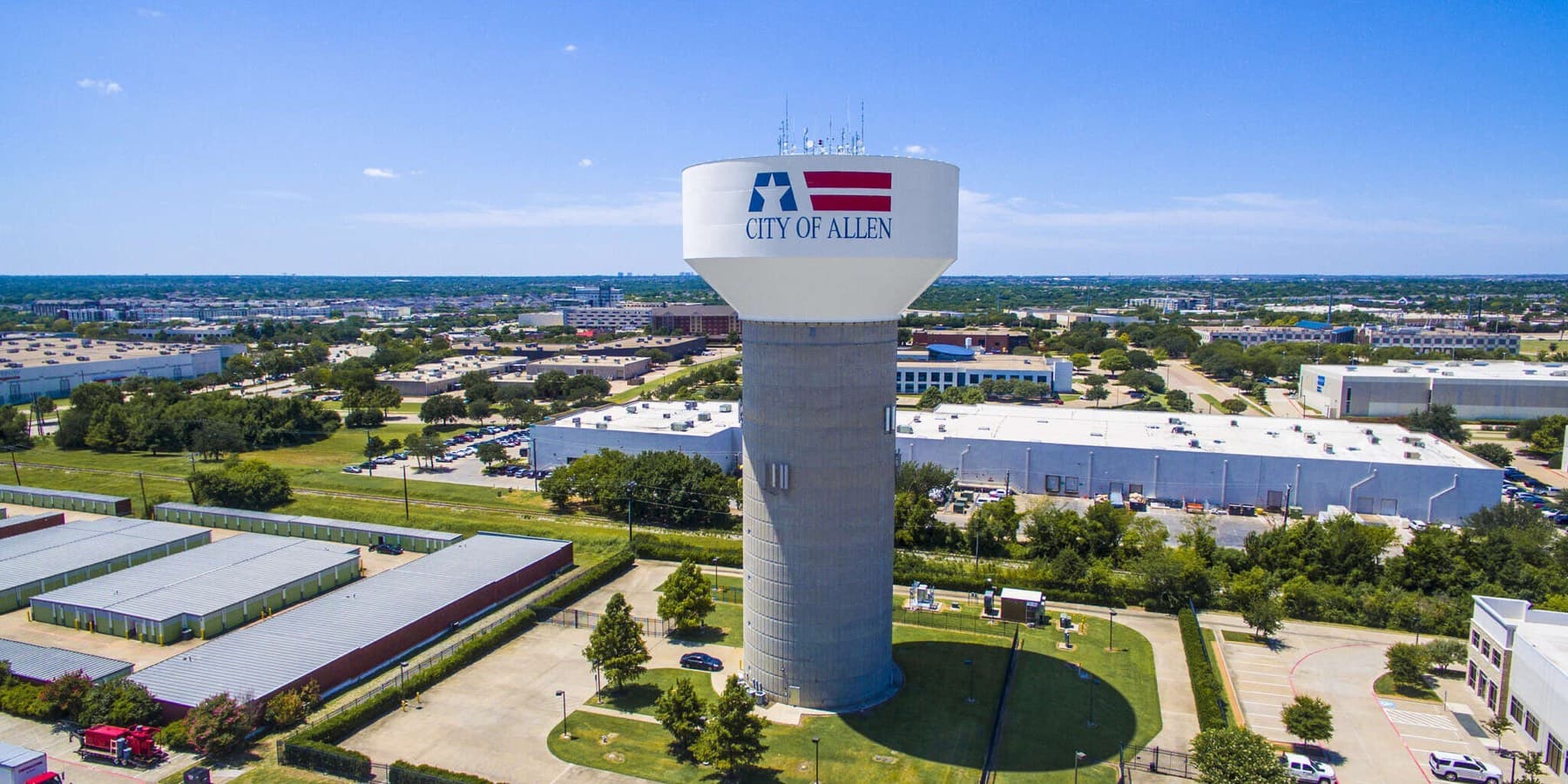
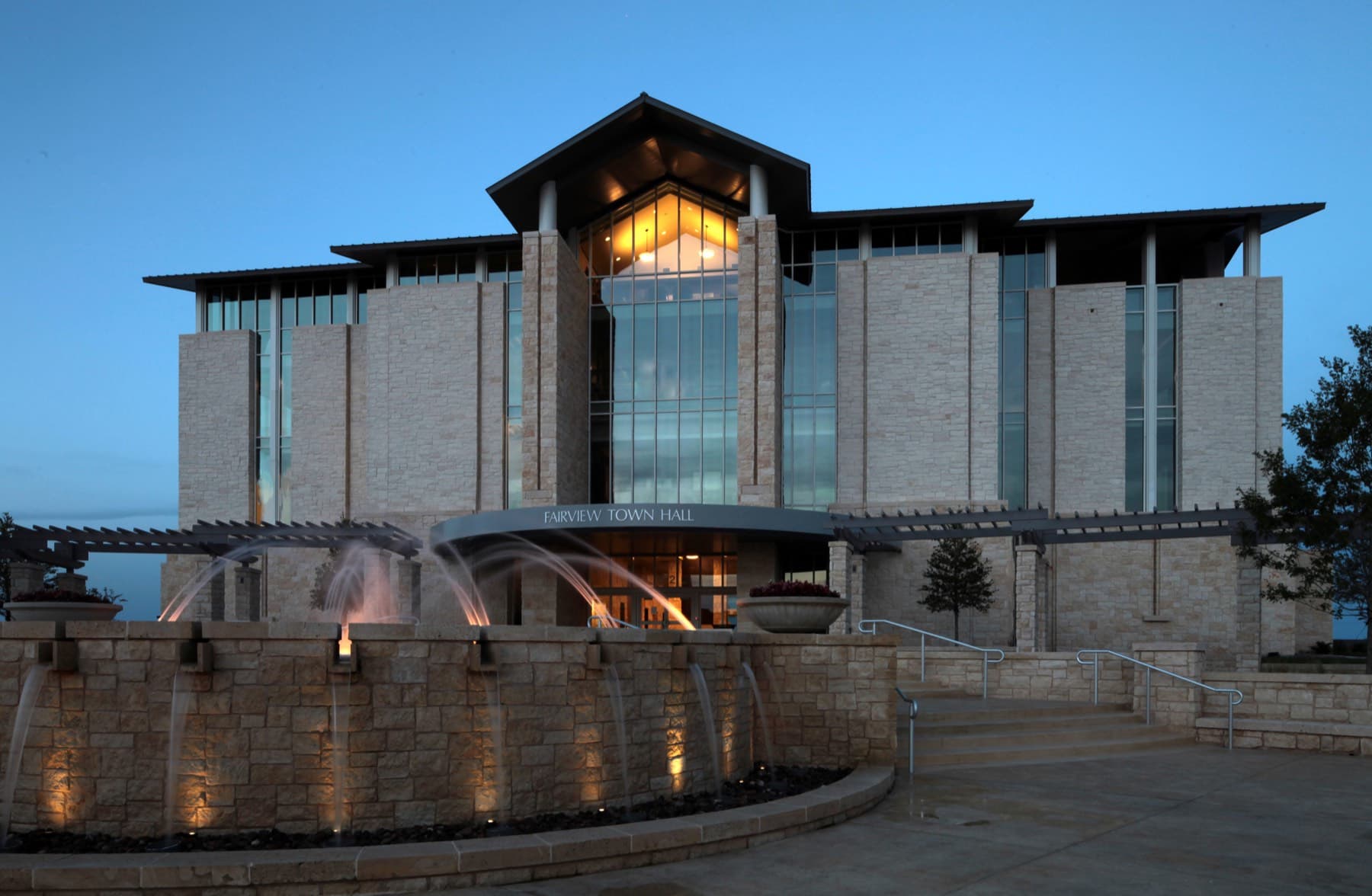
General Contractors of McKinney builds retail centers across McKinney, Allen, Frisco, Fairview, Lucas, Princeton, Melissa, Anna, and Celina. We are experienced with McKinney's commercial design standards and with retail construction permitting across Collin County jurisdictions.
Whether your retail project is a grocery-anchored center, a strip retail development, a single-tenant pad site, or a mixed-use retail and services center, our team provides preconstruction planning, tenant requirement coordination, and full construction management from site work through certificate of occupancy.
Related Markets
McKinney, TX
Primary market for commercial and industrial construction across central McKinney, US-75 frontage, and major growth corridors.
Open market pageDowntown McKinney, TX
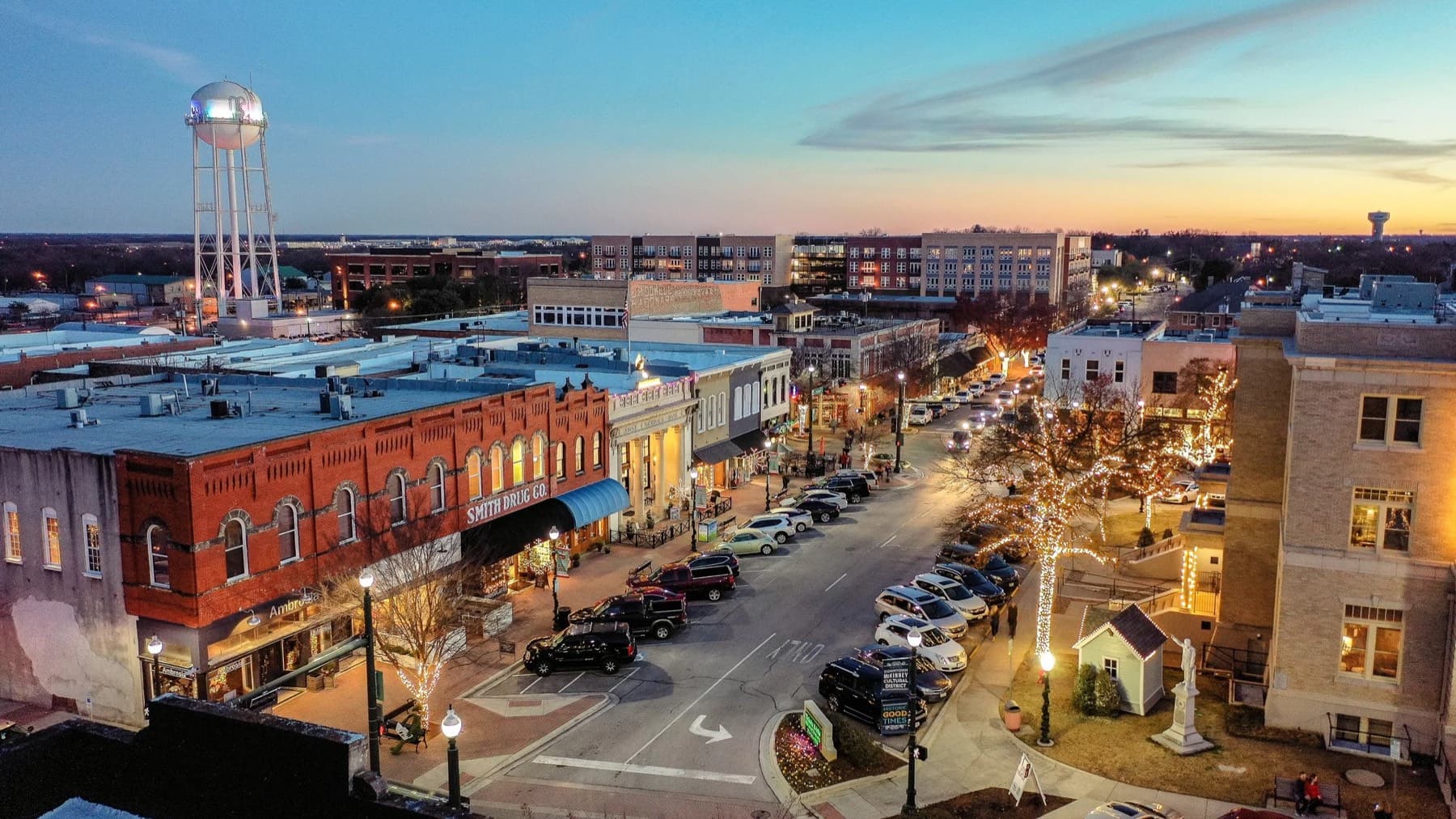
Urban infill and redevelopment support for commercial projects near the courthouse square and surrounding mixed-use streets.
Open market pageCraig Ranch, TX
Master-planned mixed commercial market for office, hospitality-support, and higher-visibility corporate projects.
Open market pageStonebridge Ranch, TX
Neighborhood commercial and service-sector market supporting local retail, office, and community-serving development.
Open market pageAllen, TX
Dense north DFW commercial market with strong retail, office, and service-sector construction demand.
Open market pageFairview, TX
Growth-area market supporting higher-end commercial, healthcare, and mixed retail development along the US-75 corridor.
Open market pageFrequently Asked Questions
How do you coordinate retail construction with anchor tenant opening schedules?
We establish the anchor tenant's opening date as a hard schedule constraint from the start of preconstruction, build the construction schedule backward from that date, and manage field execution daily with the anchor opening as the primary schedule driver.
What McKinney design standards apply to retail center construction?
McKinney's commercial design standards regulate exterior building materials, window glazing minimums, and architectural articulation for commercial frontages. We coordinate retail elevation compliance with the architect from the start of design so that plan review does not generate corrections that delay permitting.
How do you handle retail center paving on McKinney's Blackland Prairie clay?
We scope retail parking field paving from geotechnical data and design the pavement section for long-term performance on expansive clay soils. Retail parking that cracks and ponds water is a landlord maintenance problem; properly designed and built paving is not.
Can you manage anchor tenant shell delivery and shell contractor work simultaneously?
Yes. We coordinate site access, utility connections, and inspection sequencing between the anchor tenant's fit-out contractor and our shell construction team during the overlap period between shell delivery and anchor fit-out completion.
What areas do you serve for retail center construction near McKinney?
We serve McKinney and adjacent communities including Allen, Frisco, Fairview, Lucas, Princeton, Melissa, Anna, and Celina across Collin County.