Tilt-Wall Construction for McKinney and Collin County
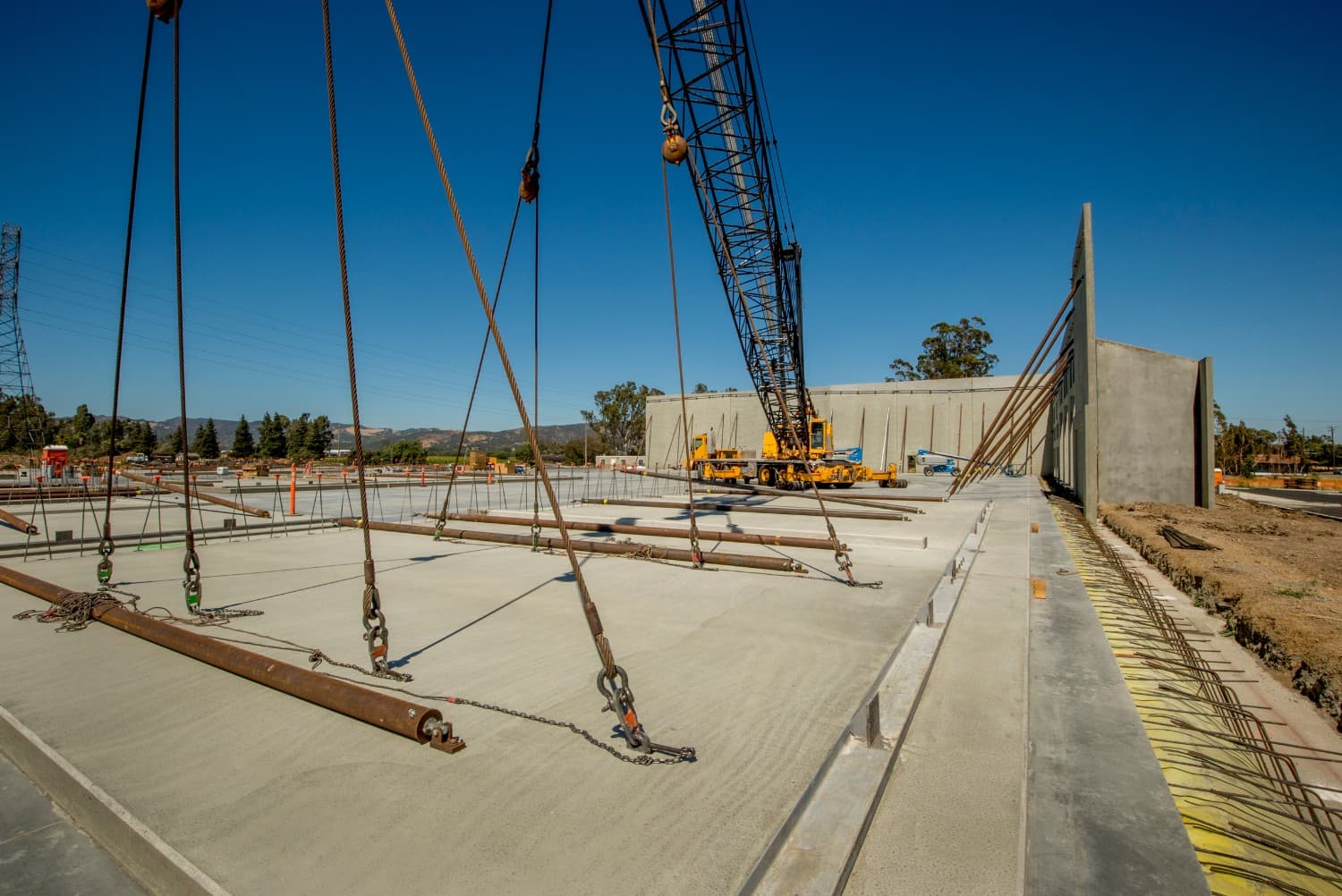
General Contractors of McKinney manages tilt-wall and tilt-up construction for industrial and commercial owners who understand that casting, erection, bracing, and enclosure release are a tightly connected sequence where a problem in one phase creates immediate pressure on everything that follows. We coordinate that sequence under one accountable workflow so the casting slab, erection crane, structural tolerances, and downstream trade packages all stay aligned against the same milestone plan.
Tilt-wall is one of the most common structural methods for warehouse shells, distribution buildings, and large-format commercial facilities in North Texas, and McKinney's industrial growth corridor is no exception. Speed only materializes when preconstruction decisions about panel geometry, casting slab design, crane access, and erection sequencing are resolved before the field mobilizes. Skipping that front-end coordination is how tilt-wall projects lose the schedule advantage they are supposed to deliver.
McKinney's Blackland Prairie expansive clay subgrade requires careful casting slab design — the slab that serves as the casting bed for tilt panels becomes part of the finished floor after erection, and its flatness, strength, and joint placement all affect panel performance. We also plan around McKinney's summer heat windows for large-format pours and coordinate crane path access on sites that may have utility infrastructure, adjacent construction, or active operations nearby.
- Warehouse shells and distribution buildings in McKinney's US-75 and Sam Rayburn Tollway corridors
- Flex industrial buildings with dock-level and grade-level door combinations
- Large-format commercial structures including big-box and multi-tenant commercial shells
- Corporate industrial campus buildings near McKinney National Airport
How We Set Up Tilt-Wall Projects in McKinney
The casting slab serves as the manufacturing surface for tilt panels and then becomes the finished building floor after erection. In McKinney, Blackland Prairie clay subgrade can move with moisture changes, which creates flatness risk for the casting surface if subgrade preparation and moisture control are not managed carefully. A casting slab that is not flat or that shifts before panels are stripped will create panel-dimension problems that cascade through the entire erection sequence.
Panel matrix planning determines panel size, weight, grouping, and erection sequence — all of which affect crane capacity, access, and erection time. We resolve those decisions before the casting slab is placed, not after the crane is on site. Crane path, bracing anchor locations, and site access are confirmed before mobilization so the erection crew arrives to a prepared workfront rather than discovering access constraints on day one.
- Casting slab design for Blackland Prairie clay subgrade with bond breaker and embed layout
- Summer heat pour protocols for large-format slabs in McKinney's peak temperature windows
- Panel matrix and crane path planning before casting begins
- Structural tolerance requirements for tilt-wall erection in McKinney market conditions
Tilt-Wall Erection and Enclosure Coordination
Frame erection is the most visible and most time-compressed phase of tilt-wall construction. The crane is rented, the crew is mobilized, and every delay carries a direct cost. Our site leadership is present throughout erection to manage panel sequencing, monitor plumb and joint tolerances, and coordinate bracing installation so the structural team can proceed at an efficient pace. After erection, we track structural release by area so downstream trades — joist, deck, roofing, glazing, MEP rough-in — can start as panels are released rather than waiting for a single global completion event.
Roof and enclosure packages are released based on actual erection completion rather than scheduled dates that the field may or may not hit. In the Collin County hail corridor, we coordinate roofing sequencing to reduce exposure during peak spring storm windows. Glazing and skin packages are integrated with MEP rough-in so the building goes weathertight in sequence with the interior trade packages that depend on a dry envelope.
- Area-by-area structural release for downstream trade sequencing after erection
- Collin County spring hail corridor risk management for roofing and envelope installation
- Plumb, square, and bracing controls maintained throughout erection
- Interior follow-on coordinated against actual enclosure completion status
McKinney and Collin County Tilt-Wall Service Area
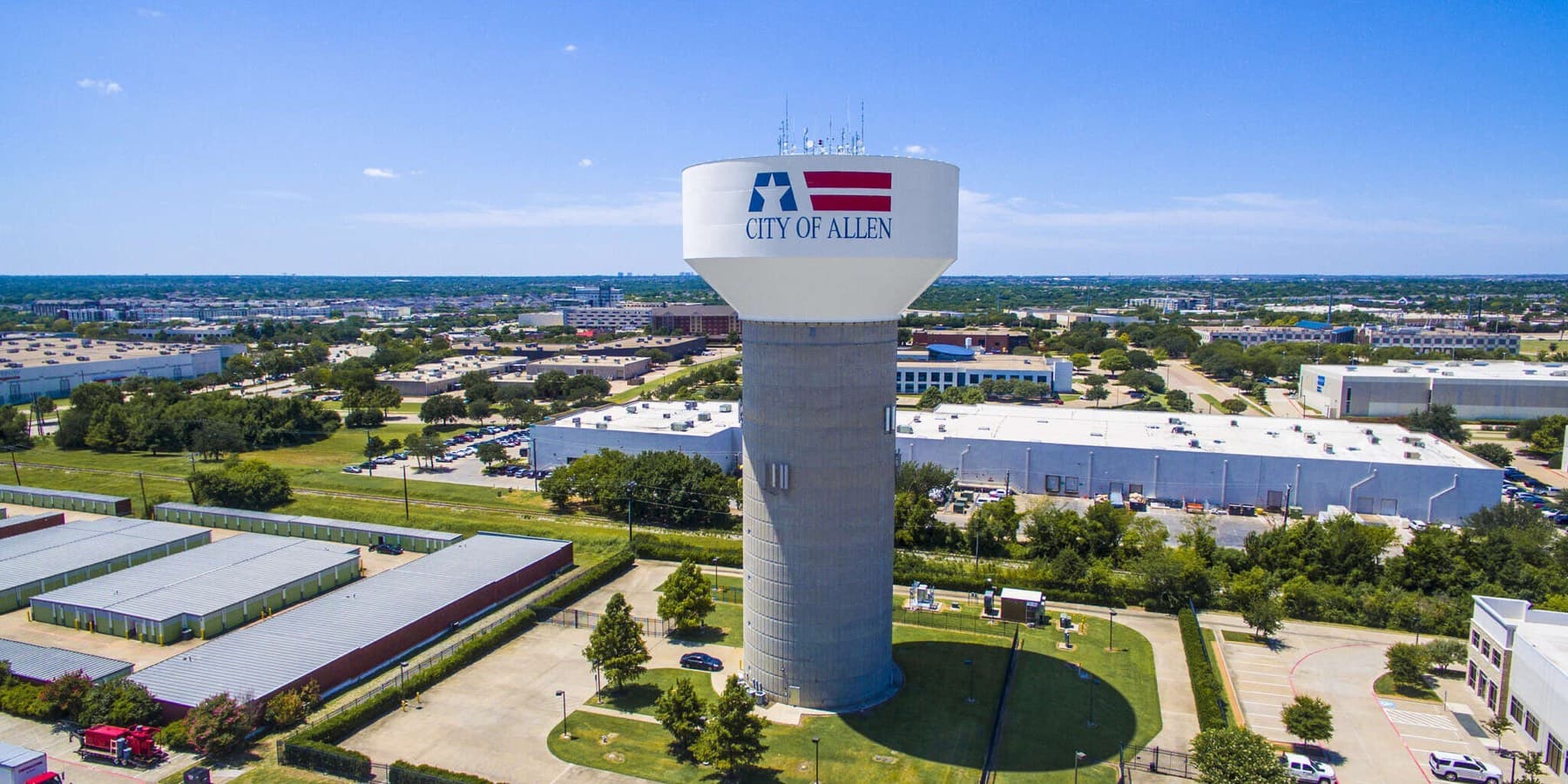
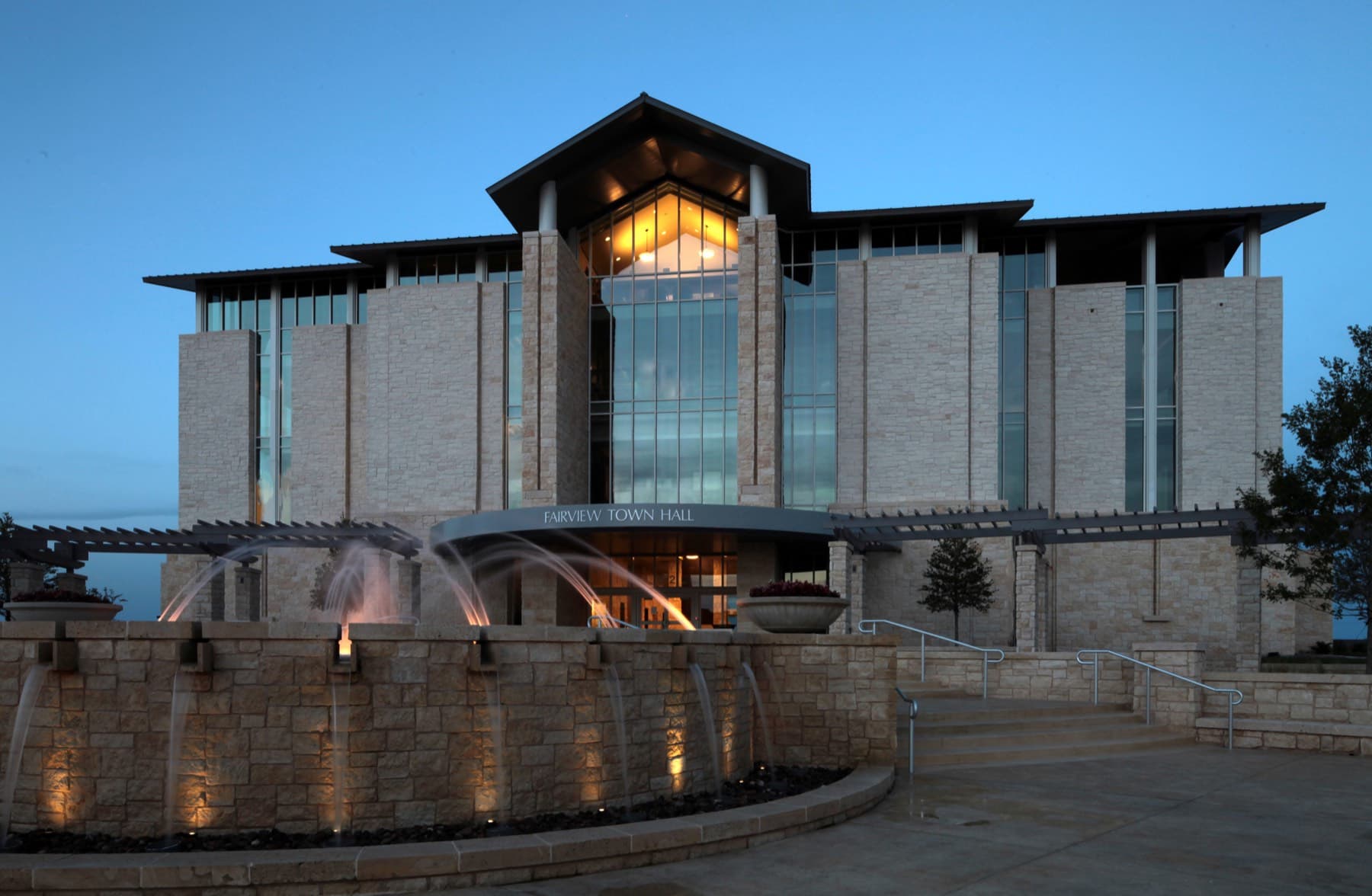
General Contractors of McKinney manages tilt-wall and tilt-up construction throughout McKinney, Allen, Frisco, Fairview, Princeton, Melissa, Anna, Celina, and the broader Collin County industrial market. We work where real industrial and large-format commercial development is active in North DFW, and our service area extends to adjacent markets including Prosper and Gunter when tilt-wall projects align with our delivery capabilities.
Related Markets
McKinney, TX
Primary market for commercial and industrial construction across central McKinney, US-75 frontage, and major growth corridors.
Open market pageDowntown McKinney, TX
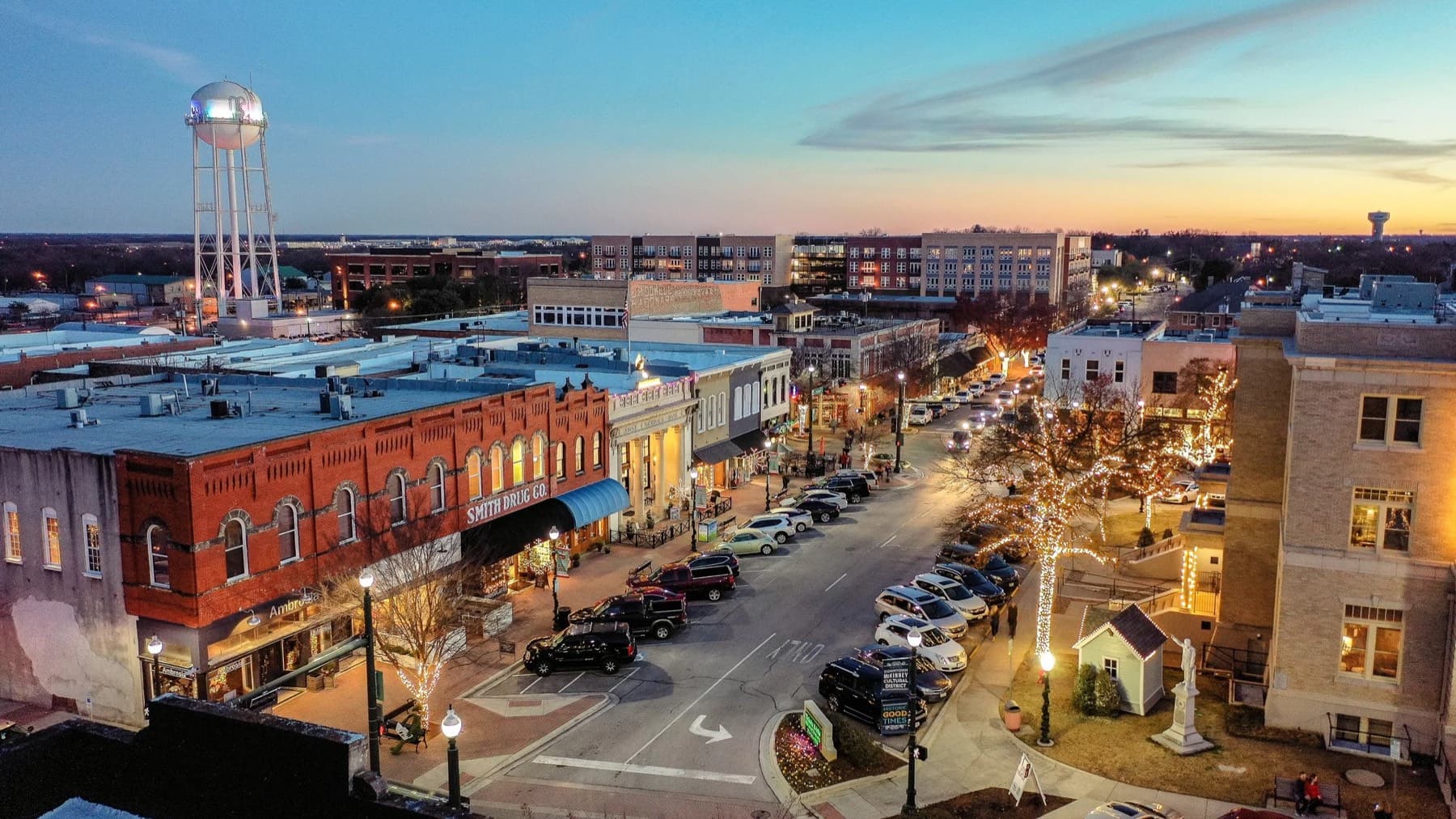
Urban infill and redevelopment support for commercial projects near the courthouse square and surrounding mixed-use streets.
Open market pageCraig Ranch, TX
Master-planned mixed commercial market for office, hospitality-support, and higher-visibility corporate projects.
Open market pageStonebridge Ranch, TX
Neighborhood commercial and service-sector market supporting local retail, office, and community-serving development.
Open market pageAllen, TX
Dense north DFW commercial market with strong retail, office, and service-sector construction demand.
Open market pageFairview, TX
Growth-area market supporting higher-end commercial, healthcare, and mixed retail development along the US-75 corridor.
Open market pageFrequently Asked Questions
Why does casting slab design matter so much for tilt-wall projects in McKinney?
The casting slab serves as the manufacturing surface for tilt panels and then becomes the finished building floor after erection. In McKinney, Blackland Prairie clay subgrade can move with moisture changes, which creates flatness risk for the casting surface if subgrade preparation and moisture control are not managed carefully. A casting slab that is not flat or that shifts before panels are stripped will create panel-dimension problems that cascade through the entire erection sequence. We address casting slab design and subgrade treatment in preconstruction.
How do summer heat conditions in McKinney affect tilt-wall construction?
Large-format concrete pours in McKinney's summer heat — regularly above 100 degrees — are vulnerable to rapid moisture loss that affects strength development and flatness. We schedule casting operations in early morning windows, use evaporation retarders and curing blankets to control moisture loss, and monitor slab conditions throughout the cure period. Those protocols protect the casting surface quality that the erection sequence depends on.
How far in advance should crane access and erection sequencing be planned?
Crane access, path, and erection sequence planning should be completed before the casting slab is placed — not after. Bracing anchor locations are embedded in the casting slab, and those anchors have to be in the right position relative to the erection sequence. Crane path obstructions from utilities, adjacent structures, or site logistics need to be resolved before erection so the crew does not discover access conflicts during the erection window.
What happens after tilt panels are erected — how does the rest of the project move?
After erection, we track structural release by area so downstream trades — joist, deck, roofing, glazing, MEP rough-in — can start as panels are released rather than waiting for a single global completion event. That overlap between erection completion and downstream trade startup is where tilt-wall projects recover schedule when they need to. We release interior and site scopes based on actual completion rather than scheduled dates.