Industrial Construction for McKinney and the North DFW Corridor
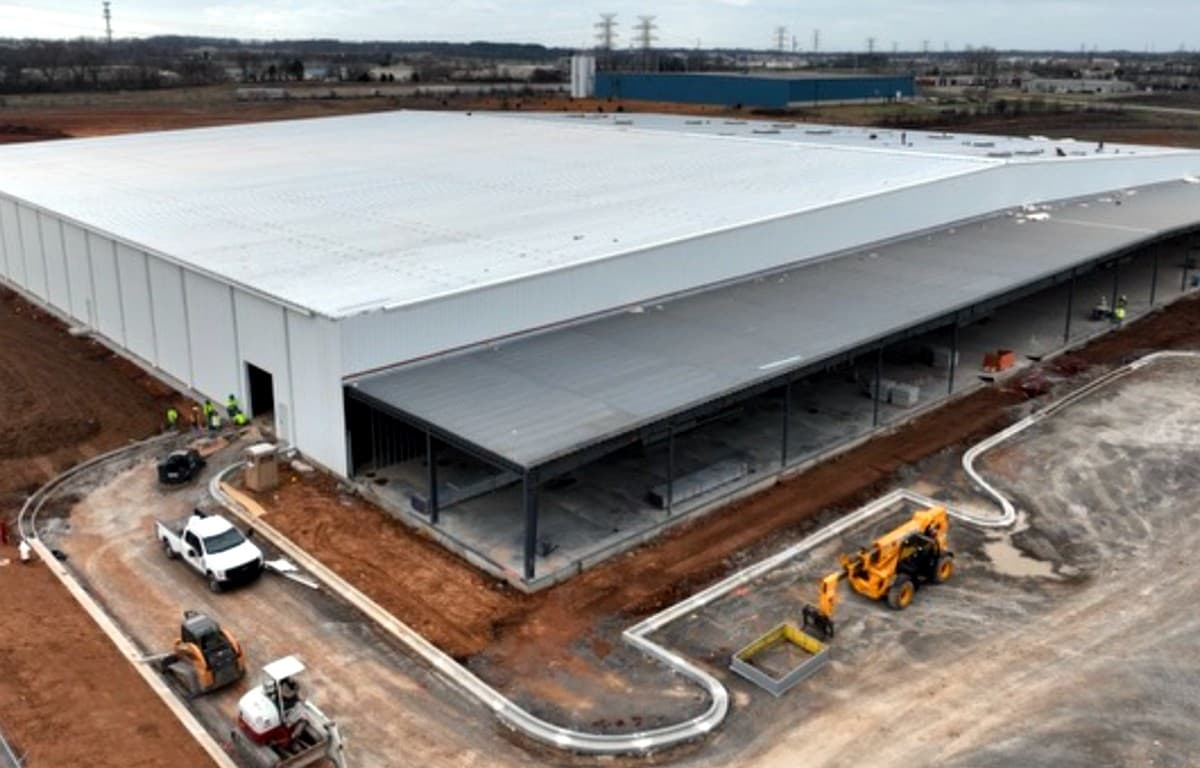
General Contractors of McKinney manages industrial construction for facility owners and developers who need more than basic trade coordination. Industrial projects succeed or fail at the intersections between utility planning, equipment interfaces, structural systems, and the operational realities of the people who will use the facility after turnover. We manage those intersections from preconstruction through startup so the owner gets a facility that works on day one.
McKinney's position in the North DFW growth corridor makes it an active location for industrial development. The Sam Rayburn Tollway and US-75 corridors connect McKinney to the broader DFW logistics network, and McKinney National Airport supports corporate aviation and related industrial uses that have driven facility demand in the northern parts of the city. Industrial parcels in McKinney and the surrounding Collin County market are being developed against a backdrop of expanding utility infrastructure, growing trade contractor availability, and site conditions defined by Blackland Prairie expansive clay — a subgrade that demands careful attention in foundation and slab design for industrial loads.
We bring field experience with the specific factors that affect industrial construction outcomes in this market: utility coordination across CoServ and Oncor service territories, foundation approaches suited to Blackland Prairie soil behavior under heavy industrial loading, summer heat protocols for large-format concrete pours, and spring hail-season planning for exposed roofing and envelope work. Those are not abstract concerns — they are real schedule and quality risks that we address in preconstruction so the field team is working against a plan that reflects actual site conditions.
- Manufacturing and assembly facilities along McKinney's industrial corridors
- Logistics and distribution buildings near US-75 and the Sam Rayburn Tollway
- Corporate industrial campuses near McKinney National Airport
- Service and maintenance facilities across Collin County
Industrial Preconstruction in McKinney
Industrial construction in McKinney starts with a thorough review of site constraints, utility availability, and equipment-driven planning requirements. We confirm CoServ or Oncor service zone, map available power capacity against facility loads, and identify any utility infrastructure gaps that need to be addressed before the project can move forward. Blackland Prairie clay subgrade behavior is evaluated at this stage — we bring in geotechnical context early so foundation and slab design reflects the actual soil conditions rather than being adjusted after structural engineering is complete.
Equipment decisions drive more of an industrial construction schedule than most owners realize. Lead times for process equipment, HVAC systems, electrical gear, and specialty packages have extended in recent years, and a delayed equipment delivery can stall structural, MEP, and finish scopes that are waiting on pad dimensions or utility rough-in locations. We build equipment interface coordination into the preconstruction phase so procurement decisions happen before field pressure makes them urgent.
- CoServ versus Oncor service zone confirmation and power capacity coordination
- Blackland Prairie clay geotechnical evaluation for industrial foundation and slab design
- Equipment vendor engagement and lead time tracking from preconstruction
- Post-Uri freeze resilience planning for mechanical and utility systems
Field Coordination for Industrial Construction
Active field production on industrial projects requires tight coordination between civil, structural, concrete, MEP, and specialty trades. Our site leadership manages those interfaces daily — tracking field progress against the milestone schedule, resolving conflicts before they create downtime, and keeping owner reporting current so decision-makers always know where the project stands. Summer concrete pours near McKinney's 100-plus-degree heat peaks are planned around early morning windows with heat mitigation protocols that protect slab flatness and strength. Spring storm windows in the Collin County hail corridor are factored into roofing and envelope sequencing.
Industrial facilities often have startup sequences that require coordination between building systems, process equipment, and operational teams before the owner can take possession. We track commissioning milestones alongside construction milestones so the owner's technical team and equipment vendors have clear windows for startup and testing.
- Large-format concrete pour protocols for McKinney's 100-plus-degree summer heat
- Startup interface coordination with equipment vendors and operations teams
- Collin County spring hail corridor sequencing for roofing and envelope installation
- Owner reporting cadence that keeps procurement, inspections, and field status in one place
Why Industrial Construction in McKinney Is Different
Industrial development in McKinney is happening against a backdrop of rapid commercial and residential expansion that competes for trades, utilities, and infrastructure capacity. A general contractor who does not account for that competition in procurement planning and schedule management is setting the owner up for delays they could have avoided with better front-end planning.
The post-Uri freeze of February 2021 is also relevant for industrial construction in McKinney. Facilities that were built without adequate freeze protection for utility systems, mechanical equipment, or fire protection infrastructure experienced costly failures during that event. New industrial construction in McKinney benefits from freeze-protection planning built into MEP and utility system design — particularly for facilities near McKinney National Airport and the northern growth corridors where the winter exposure is real.
McKinney and North DFW Industrial Service Area
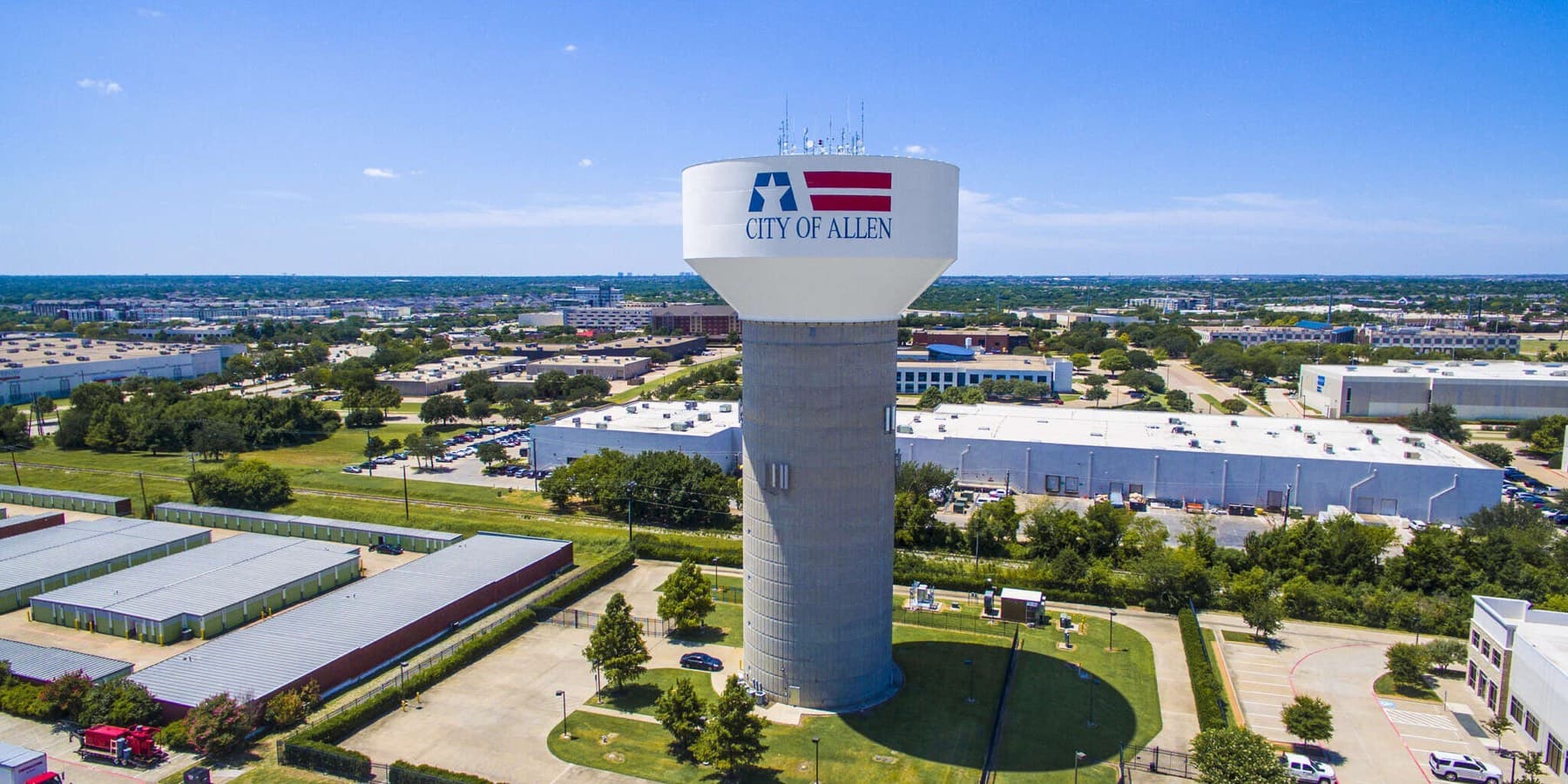
General Contractors of McKinney manages industrial construction throughout McKinney, Allen, Frisco, Fairview, Lucas, Princeton, Melissa, Anna, Celina, and the broader Collin County market. We follow real industrial demand — the manufacturing, logistics, service, and corporate-campus sectors that are actively developing across North DFW — and our service area extends to adjacent markets including Prosper, Gunter, and Sherman when projects align with our general contracting capabilities.
Related Markets
McKinney, TX
Primary market for commercial and industrial construction across central McKinney, US-75 frontage, and major growth corridors.
Open market pageDowntown McKinney, TX
Urban infill and redevelopment support for commercial projects near the courthouse square and surrounding mixed-use streets.
Open market pageCraig Ranch, TX
Master-planned mixed commercial market for office, hospitality-support, and higher-visibility corporate projects.
Open market pageStonebridge Ranch, TX
Neighborhood commercial and service-sector market supporting local retail, office, and community-serving development.
Open market pageAllen, TX
Dense north DFW commercial market with strong retail, office, and service-sector construction demand.
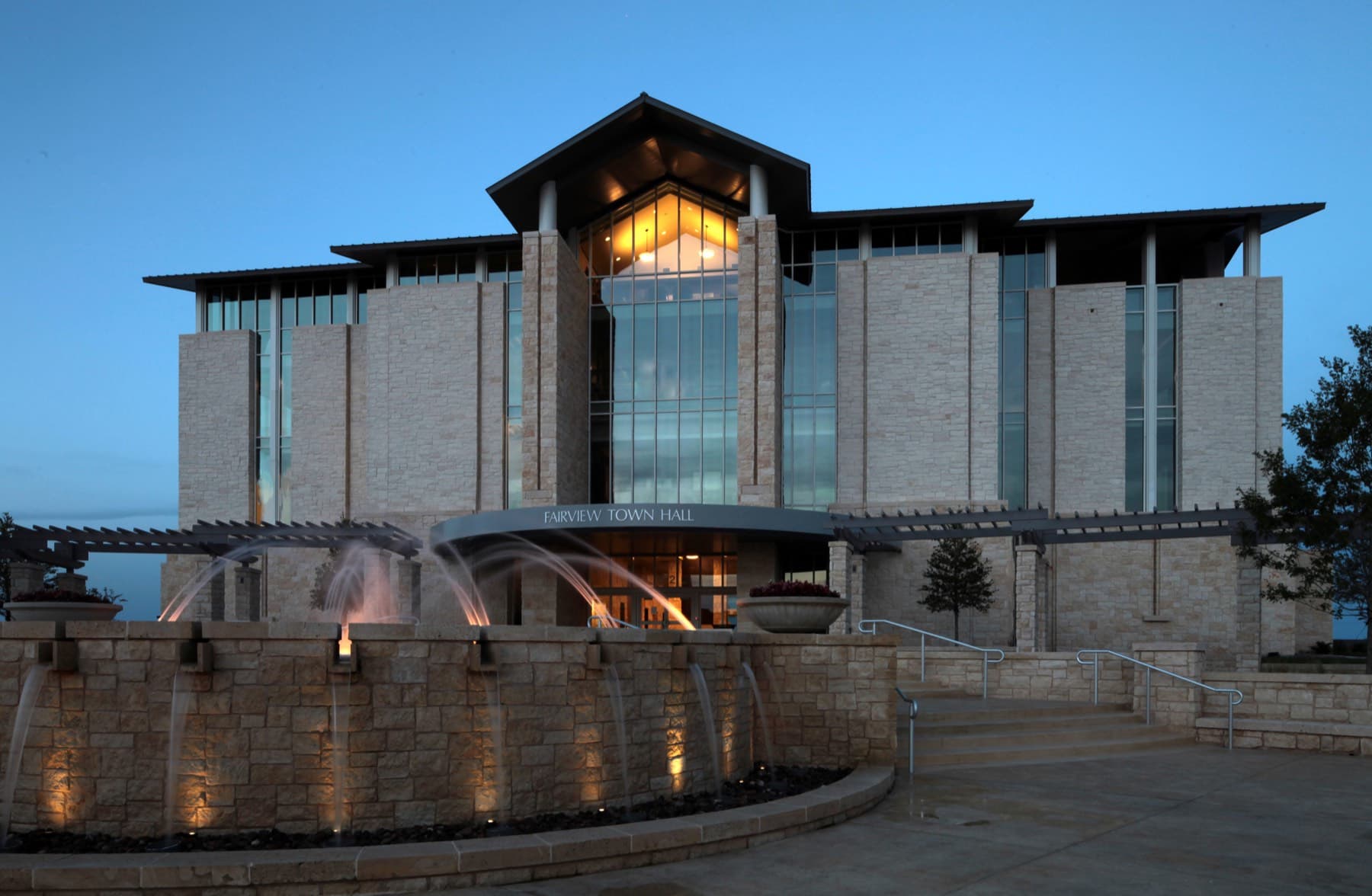
Open market pageFairview, TX
Growth-area market supporting higher-end commercial, healthcare, and mixed retail development along the US-75 corridor.
Open market pageFrequently Asked Questions
How does Blackland Prairie clay affect industrial construction in McKinney?
Blackland Prairie clay is an expansive soil that shrinks and swells with moisture changes, which creates ongoing movement risk for foundations and slabs that are not designed to accommodate it. Industrial facilities with heavy equipment loading, high traffic floors, or sensitive flatness requirements need foundation and slab approaches — post-tensioned systems, deep piers, or specific subgrade treatment — that are based on geotechnical evaluation for the specific site. We address those design inputs in preconstruction so foundation decisions are made before structural engineering is locked in.
What is the difference between CoServ and Oncor for industrial projects in McKinney?
McKinney's electric utility service is split between CoServ and Oncor depending on location within the city. Industrial facilities that need high-capacity power connections need to know which provider serves the site from the start, because the coordination process and infrastructure availability differ between the two. We confirm service zone at the beginning of preconstruction and initiate utility coordination early so power availability does not become a schedule constraint late in the project.
Can General Contractors of McKinney manage industrial construction near McKinney National Airport?
Yes. Projects near McKinney National Airport often involve corporate aviation, industrial support, or logistics-oriented facilities. FAA height restrictions, airspace considerations, and the specific infrastructure expectations of airport-adjacent industrial users are all factors we coordinate in preconstruction. Our team understands the operating context of that corridor and plans accordingly.
When should equipment vendors be brought into industrial construction planning?
Equipment vendors should be engaged as early as possible — ideally during preconstruction when structural and MEP design is still flexible enough to incorporate equipment-specific requirements. Equipment pad dimensions, utility rough-in locations, clearance requirements, and delivery sequencing all affect structural and MEP decisions. Late-stage equipment coordination forces design revisions that add cost and schedule risk.