Manufacturing Facility Construction for McKinney and Collin County
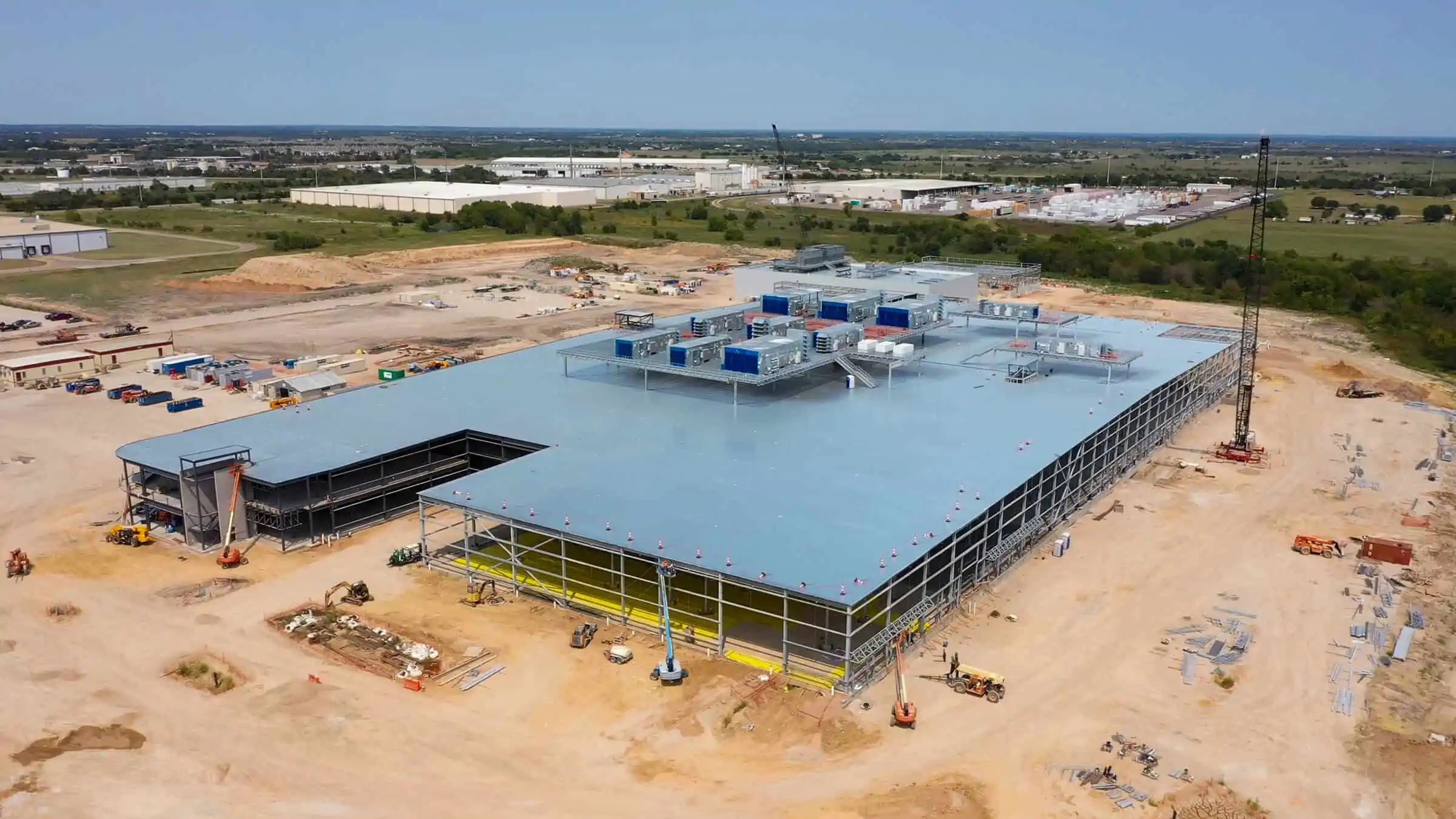
General Contractors of McKinney builds manufacturing facilities for light manufacturing, precision manufacturing, food processing, fabrication, and assembly operations across McKinney and the broader Collin County market. Manufacturing construction is structurally and mechanically more complex than standard industrial shell work — crane rails, heavy slabs, large gas and electrical services, specialty ventilation, and process equipment interfaces all require coordination well before the first footing is placed.
McKinney has attracted a growing manufacturing base along the US-75 corridor and near McKinney National Airport, and the city's industrial zones offer sites that support significant utility services. Our team coordinates with CoServ and Oncor for high-demand electrical services and works with Atmos and other gas providers for large process gas requirements, identifying lead times and capacity constraints in preconstruction rather than mid-project.
Blackland Prairie clay soils are the standard condition under most of McKinney's industrial sites, and manufacturing facilities with heavy floor loads, fork truck traffic, and production equipment require foundations and slabs designed for those loads on expansive soils. We scope foundation systems from geotechnical data and do not use generic slab assumptions on manufacturing projects where floor performance is a production issue.
- Light and heavy manufacturing facility construction
- Crane-ready structural systems and overhead lifting coordination
- Heavy electrical and gas utility infrastructure
- Production floor slabs for fork truck and heavy load service
- Process equipment rough-in and mechanical coordination
Preconstruction Planning for Production Facilities
Manufacturing facility preconstruction at General Contractors of McKinney begins with the production layout. We work from the owner's equipment list and process flow to establish clear zones for production, utilities, material staging, and shipping and receiving before structural design is finalized. Getting this sequencing right in preconstruction prevents the expensive structural modifications that follow when a process layout is revised after steel is erected.
Utility capacity planning is a real preconstruction task on manufacturing projects. Large electrical services in CoServ and Oncor territories require substation and transformer capacity confirmation, and lead times for large switchgear and transformer equipment routinely exceed 30 weeks in North Texas. We submit utility applications and identify equipment procurement needs from the start of design so that utility delivery aligns with construction completion, not six months after.
Summer heat in McKinney creates a concrete challenge for manufacturing slabs. Production floor slabs for manufacturing facilities often exceed 6 to 8 inches of thickness and require controlled placement conditions to hit the flatness and hardness tolerances that production operations need. Our crews manage heat-of-day pours with ice-batched mix, solar shading, and extended curing protocols to deliver production-grade floors on the North Texas summer schedule.
- Production layout and equipment zone planning before structural design
- Utility capacity confirmation and early service applications
- Long-lead equipment procurement scheduling
- Slab design coordination for production floor tolerances
- Geotechnical-based foundation scoping for Blackland Prairie soils
Field Execution for Manufacturing Schedules
Manufacturing facility field execution at General Contractors of McKinney tracks equipment delivery windows as hard schedule constraints. When a CNC machine or production line is scheduled to deliver in month nine, the building needs to be enclosed, conditioned, and ready to receive equipment without exceptions. We build manufacturing schedules backward from equipment delivery and manage the field accordingly.
Crane and overhead lifting systems require structural coordination that continues from design through steel erection and final inspection. Runway beam alignment, end stop installation, festoon system routing, and overhead bridge clearances must all be verified against the equipment specifications before turnover. Our superintendents track crane coordination as a dedicated item rather than an afterthought at project close.
North Texas weather — including the hail events that move through the Collin County corridor multiple times per season — requires that roofing, mechanical yard equipment, and skylights receive post-storm inspections as a standard site management practice. We track weather events and schedule inspections within 24 hours of significant hail to maintain schedule and protect the owner's asset during construction.
- Equipment delivery window tracking as hard schedule constraints
- Crane and overhead lifting system structural coordination through turnover
- Post-storm inspection protocol for Collin County hail events
- Specialty ventilation and dust collection rough-in coordination
- Owner equipment installation interface and access coordination
McKinney Manufacturing Facility Construction Service Area
General Contractors of McKinney builds manufacturing facilities across McKinney, Allen, Frisco, Fairview, Lucas, Princeton, Melissa, Anna, and Celina. We are experienced with industrial zoning and permitting across Collin County, and we work in both CoServ and Oncor utility service territories.
Whether your manufacturing project is a ground-up production facility, an expansion of an existing plant, or a conversion of shell space into a manufacturing build-out, our team provides preconstruction planning, utility coordination, and full construction management from pad to turnover.
Related Markets
McKinney, TX
Primary market for commercial and industrial construction across central McKinney, US-75 frontage, and major growth corridors.
Open market pageDowntown McKinney, TX
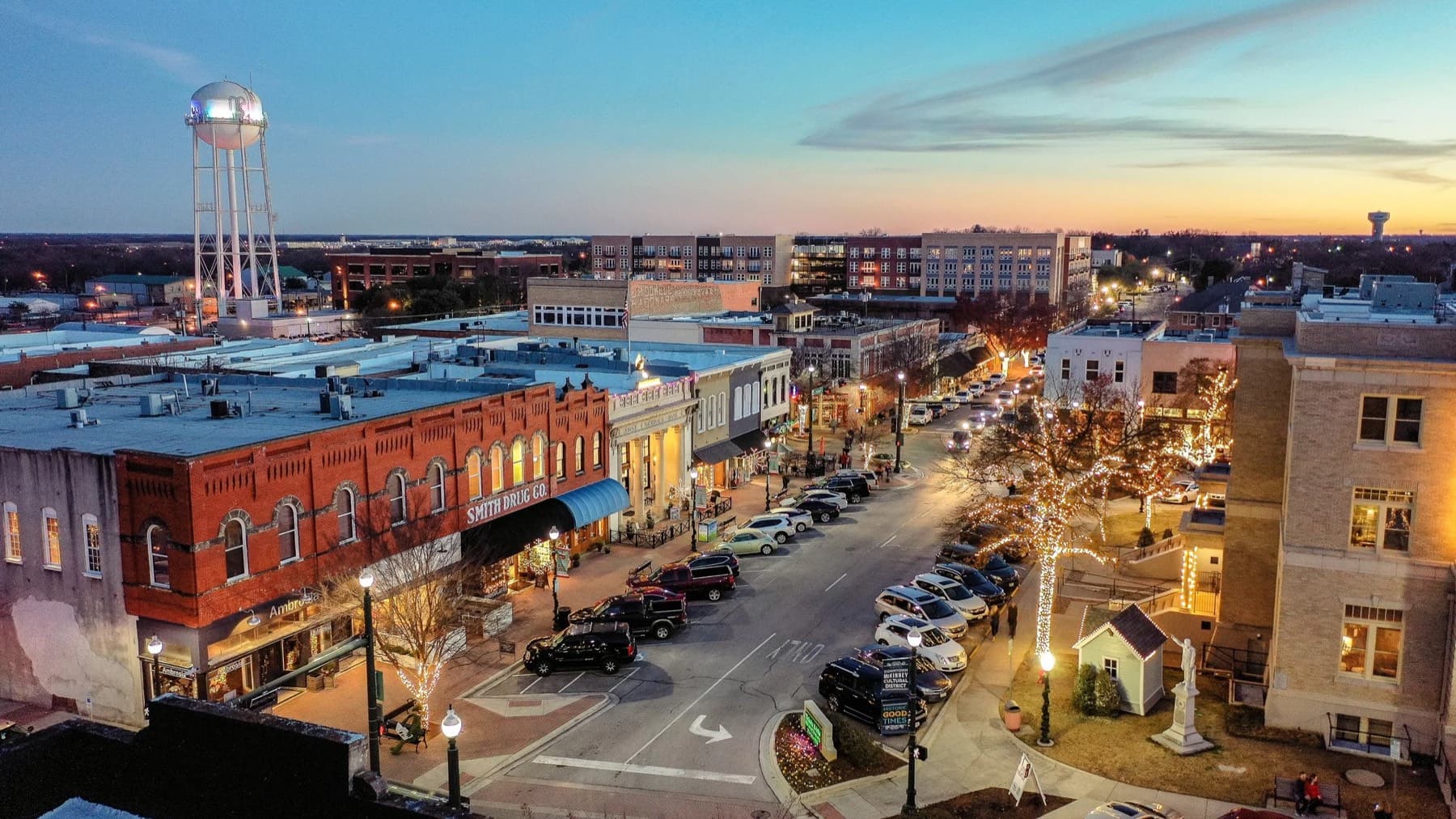
Urban infill and redevelopment support for commercial projects near the courthouse square and surrounding mixed-use streets.
Open market pageCraig Ranch, TX
Master-planned mixed commercial market for office, hospitality-support, and higher-visibility corporate projects.
Open market pageStonebridge Ranch, TX
Neighborhood commercial and service-sector market supporting local retail, office, and community-serving development.
Open market pageAllen, TX
Dense north DFW commercial market with strong retail, office, and service-sector construction demand.
Open market pageFairview, TX
Growth-area market supporting higher-end commercial, healthcare, and mixed retail development along the US-75 corridor.
Open market pageFrequently Asked Questions
Can you build crane-ready manufacturing facilities in McKinney?
Yes. We coordinate crane and overhead lifting systems from structural design through erection and final inspection, including runway beam alignment, end stop installation, and overhead clearance verification against equipment specifications.
How do you manage heavy utility requirements for manufacturing in McKinney?
We confirm electrical and gas capacity with CoServ or Oncor in preconstruction and submit service applications early. Large switchgear and transformer lead times in North Texas exceed 30 weeks — identifying those requirements at the start of design keeps utility delivery aligned with project completion.
How do McKinney's clay soils affect manufacturing facility foundations?
Blackland Prairie expansive clay requires foundations and slabs designed for both the soil movement potential and the production loads the facility will carry. We scope foundation systems from geotechnical reports and do not apply generic slab assumptions on manufacturing projects where floor performance directly affects production.
Do you manage production equipment rough-in and installation coordination?
We coordinate production equipment rough-in — power, gas, compressed air, and mechanical services — as part of the construction scope, and we manage field access for equipment installation and owner crew move-in during project closeout.
What areas do you serve for manufacturing facility construction near McKinney?
We serve McKinney and adjacent communities including Allen, Frisco, Fairview, Lucas, Princeton, Melissa, Anna, and Celina across Collin County. We work in both CoServ and Oncor territories and handle permitting across all Collin County jurisdictions.