Drainage and Stormwater Infrastructure for McKinney and Collin County
General Contractors of McKinney constructs stormwater infrastructure for commercial developments, site improvement projects, and drainage problem remediation across McKinney and Collin County. McKinney's development standards require stormwater detention on sites that increase impervious cover beyond specified thresholds, and the Collin County Flood Control District maintains specific requirements for development within or adjacent to identified flood zones — including areas along Heard Creek, Wilson Creek, and Rowlett Creek tributary corridors that run through McKinney's commercial and industrial zones.
Drainage performance on McKinney commercial sites is affected by Blackland Prairie clay's low permeability. Unlike sandy or loamy soils where some infiltration occurs during rain events, high-plasticity clay essentially waterproofs the ground surface — virtually all rainfall becomes runoff on clay-dominated sites. This means that detention and conveyance systems must be designed and sized for the full runoff volume without credit for infiltration, and it means that surface drainage must be graded precisely to move water to intended collection points without ponding.
The Collin County hail corridor makes roof drainage and inlet capacity planning especially relevant for McKinney commercial properties. A major hail event that drops 3 to 4 inches of rain in 60 minutes will test any drainage system, and inadequately sized inlet systems pond water on parking lots, erode landscaping, and in some cases allow water to migrate to building foundations. We design and build drainage systems that handle the intensity events the North Texas climate produces.
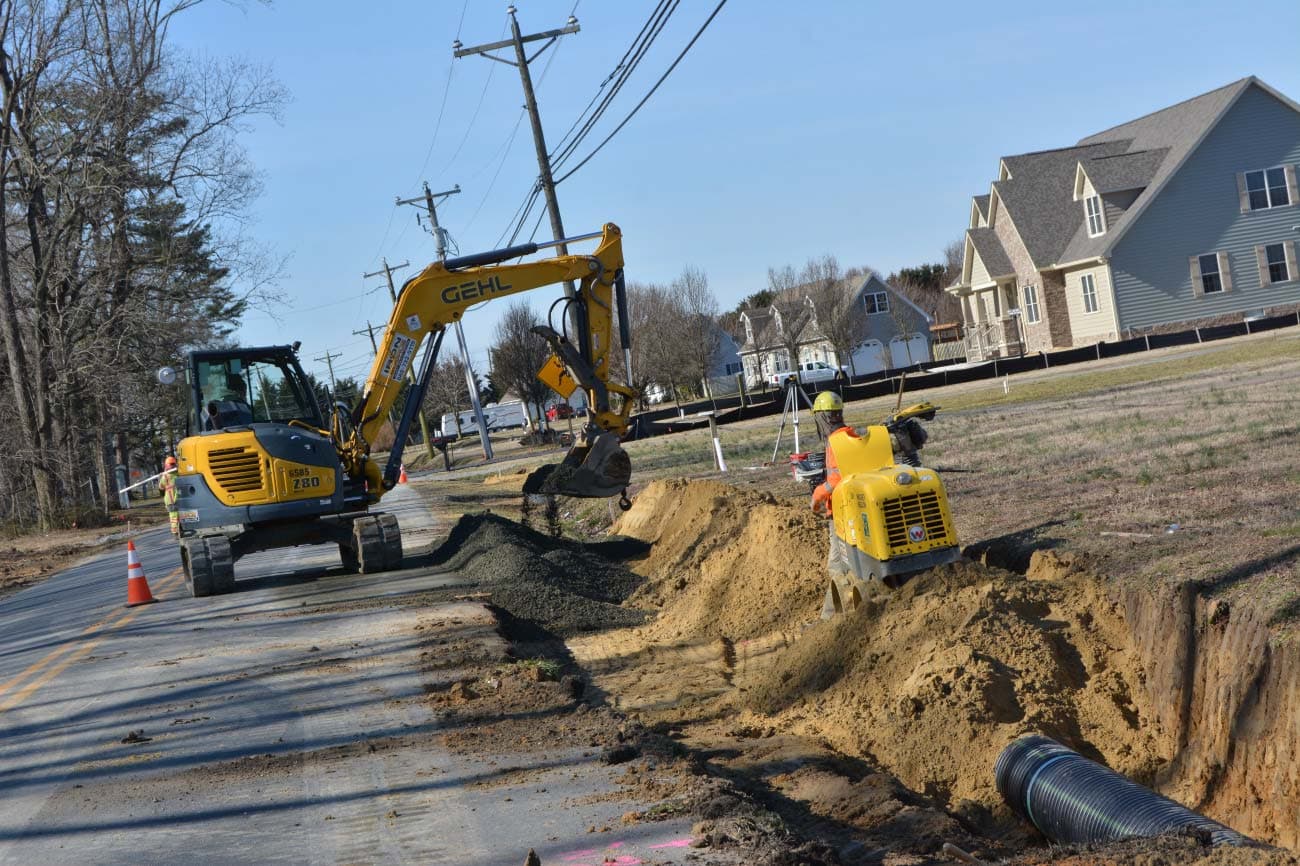
- Detention pond excavation, grading, and outlet structure construction
- Underground detention system installation for sites with limited footprint
- Storm drain pipe, junction boxes, and inlet structure installation
- Erosion control blankets, hydroseeding, and slope stabilization
- Outfall pipe and headwall construction for detention pond discharge
Stormwater Preconstruction and Design Coordination
Drainage and stormwater preconstruction at General Contractors of McKinney begins with the drainage study and detention design. We work with the civil engineer to review the drainage report, confirm that the detention volume is sized for the pre-development and post-development runoff differential required by McKinney and Collin County standards, and verify that the outlet structure is designed to control release rates within the permitted discharge limits.
Underground detention systems — proprietary plastic chamber systems, concrete box sections, or perforated pipe systems — require careful subgrade assessment before selection. On Blackland Prairie clay, underground detention systems must be designed for the clay's load-bearing characteristics and for the potential for hydrostatic pressure from perched water above the clay layer. We assess underground detention options based on the actual site geotechnical conditions.
Detention pond grading design must establish the pond's shape, volume, outlet invert elevation, emergency spillway, and side slopes in the civil drawings before construction begins. Earthwork quantities for detention ponds are significant, and accurate grading design is required to produce an accurate construction estimate. We review the pond grading plan against the drainage study calculations before committing to a construction estimate.
- Drainage study review and detention volume verification
- Underground detention system selection based on site geotechnical conditions
- Detention pond grading design and earthwork quantity verification
- Outlet structure and emergency spillway design coordination
- Permit coordination with McKinney and Collin County Flood Control District
Field Execution for Drainage Infrastructure
Stormwater infrastructure field execution at General Contractors of McKinney sequences excavation, pipe installation, inlet construction, and detention pond grading in the order required by both construction logic and inspection requirements. Storm drain pipe installation must be inspected by the city before backfill; detention pond grading must be certified by the civil engineer before the project can close out its stormwater permit. We track these inspection milestones proactively.
Detention pond excavation on Blackland Prairie clay requires care when the site is wet. Excavating expansive clay in saturated conditions leaves disturbed slopes that are difficult to stabilize, and clay excavated wet will not re-compact to the required density. We schedule detention pond excavation work during McKinney's drier periods when site conditions permit, or we manage excavation sequence to expose only what can be immediately stabilized.
Erosion control during construction is a permit requirement on McKinney commercial projects, and inadequate erosion control results in both TPDES permit violations and drainage infrastructure problems downstream. We install and maintain erosion control — silt fence, rock construction entrances, inlet protection, hydroseeding of disturbed areas — as a standard project management practice, not a compliance afterthought.
- Storm drain pipe installation and city inspection sequencing
- Detention pond excavation timing management on Blackland Prairie clay
- Inlet structure construction and outlet configuration verification
- TPDES-compliant erosion control installation and maintenance
- Final drainage certification and stormwater permit closeout
McKinney Drainage Infrastructure Service Area
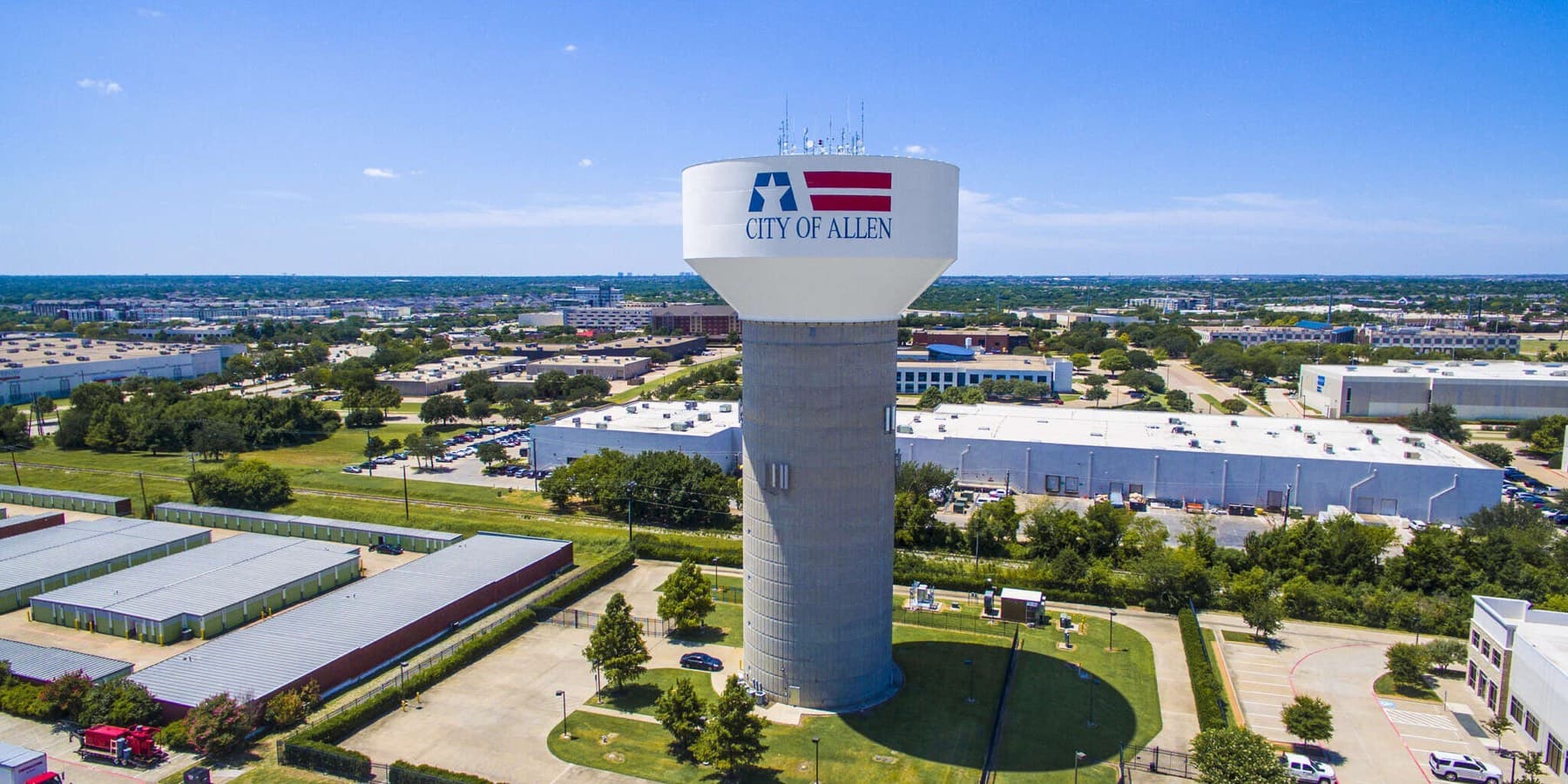
General Contractors of McKinney builds commercial drainage and stormwater infrastructure across McKinney, Allen, Frisco, Fairview, Lucas, Princeton, Melissa, Anna, and Celina. We coordinate with the City of McKinney, Collin County Flood Control District, and TCEQ on permit requirements for commercial stormwater infrastructure.
Whether your drainage project involves a new detention pond, an underground detention system, a drainage improvement to a problem site, or stormwater infrastructure as part of a new commercial development, our team provides design coordination, construction, and permit closeout.
Related Markets
McKinney, TX
Primary market for commercial and industrial construction across central McKinney, US-75 frontage, and major growth corridors.
Open market pageDowntown McKinney, TX
Urban infill and redevelopment support for commercial projects near the courthouse square and surrounding mixed-use streets.
Open market pageCraig Ranch, TX
Master-planned mixed commercial market for office, hospitality-support, and higher-visibility corporate projects.
Open market pageStonebridge Ranch, TX
Neighborhood commercial and service-sector market supporting local retail, office, and community-serving development.
Open market pageAllen, TX
Dense north DFW commercial market with strong retail, office, and service-sector construction demand.
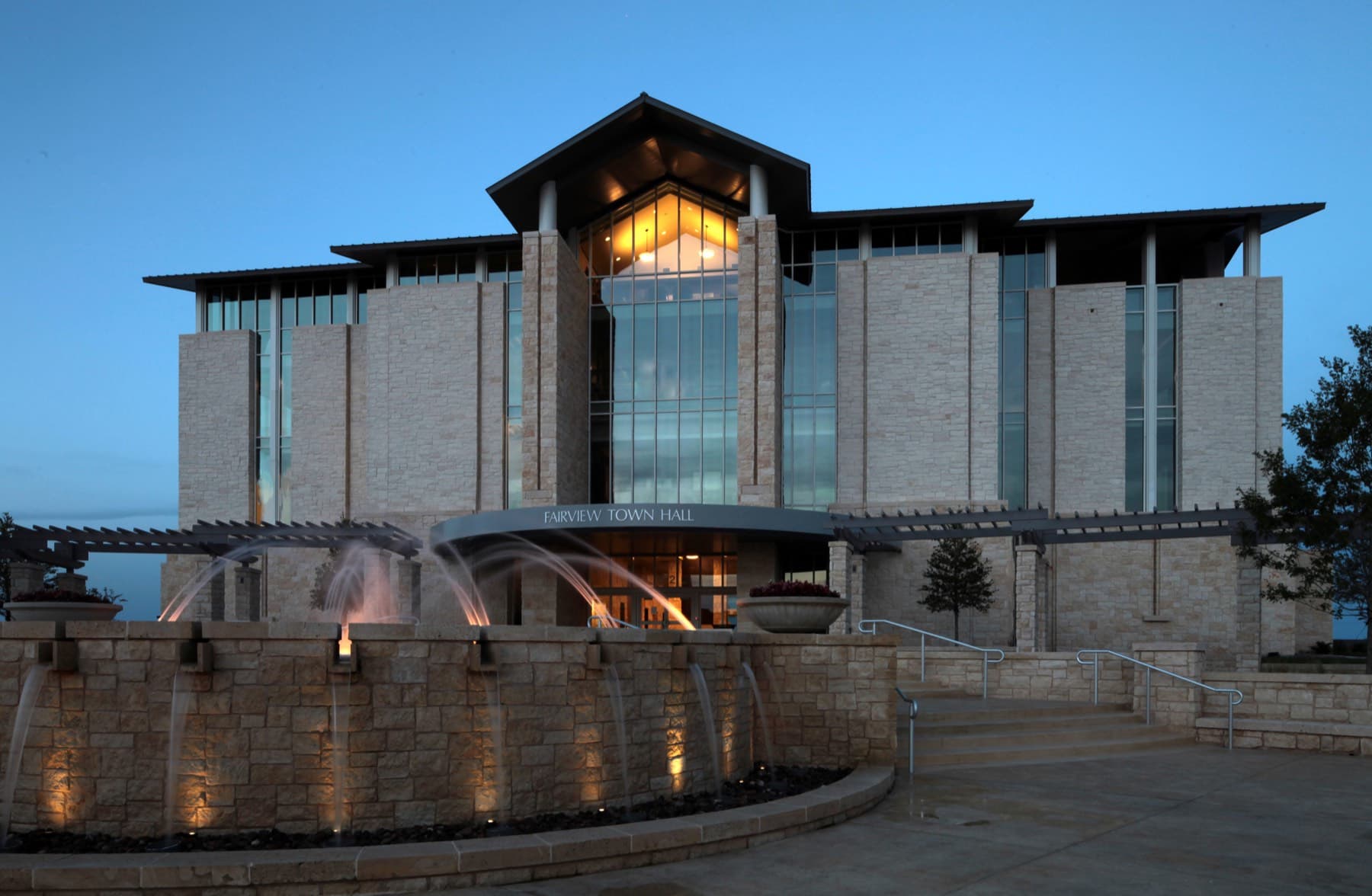
Open market pageFairview, TX
Growth-area market supporting higher-end commercial, healthcare, and mixed retail development along the US-75 corridor.
Open market pageFrequently Asked Questions
Does my commercial project in McKinney require stormwater detention?
Most commercial projects in McKinney that increase impervious cover above the city's development code thresholds require detention. We assess your project's detention requirement as part of preconstruction and include detention design and construction in the project scope from the start.
What types of detention systems do you build in McKinney?
We build detention ponds, underground detention systems using plastic chamber or concrete box section technology, and regional detention pond participation in some areas. System selection is based on site size, geotechnical conditions, and the detention volume required.
How does Blackland Prairie clay affect drainage and detention design in McKinney?
High-plasticity clay has essentially no permeability, so all rainfall becomes runoff and detention systems must be designed for the full runoff volume. Underground detention on clay sites requires geotechnical assessment for load bearing and hydrostatic conditions. Detention pond excavation on saturated clay requires careful scheduling.
Do you handle erosion control and TPDES permit compliance during site work?
Yes. We install and maintain TPDES-compliant erosion control — silt fence, inlet protection, construction entrance, and disturbed area stabilization — as a standard project management practice throughout site work. Erosion control installation and maintenance is included in our site development scope.
What areas do you serve for drainage and stormwater construction in Collin County?
We serve McKinney and adjacent communities including Allen, Frisco, Fairview, Lucas, Princeton, Melissa, Anna, and Celina across Collin County.