Data Center Construction for McKinney and Collin County
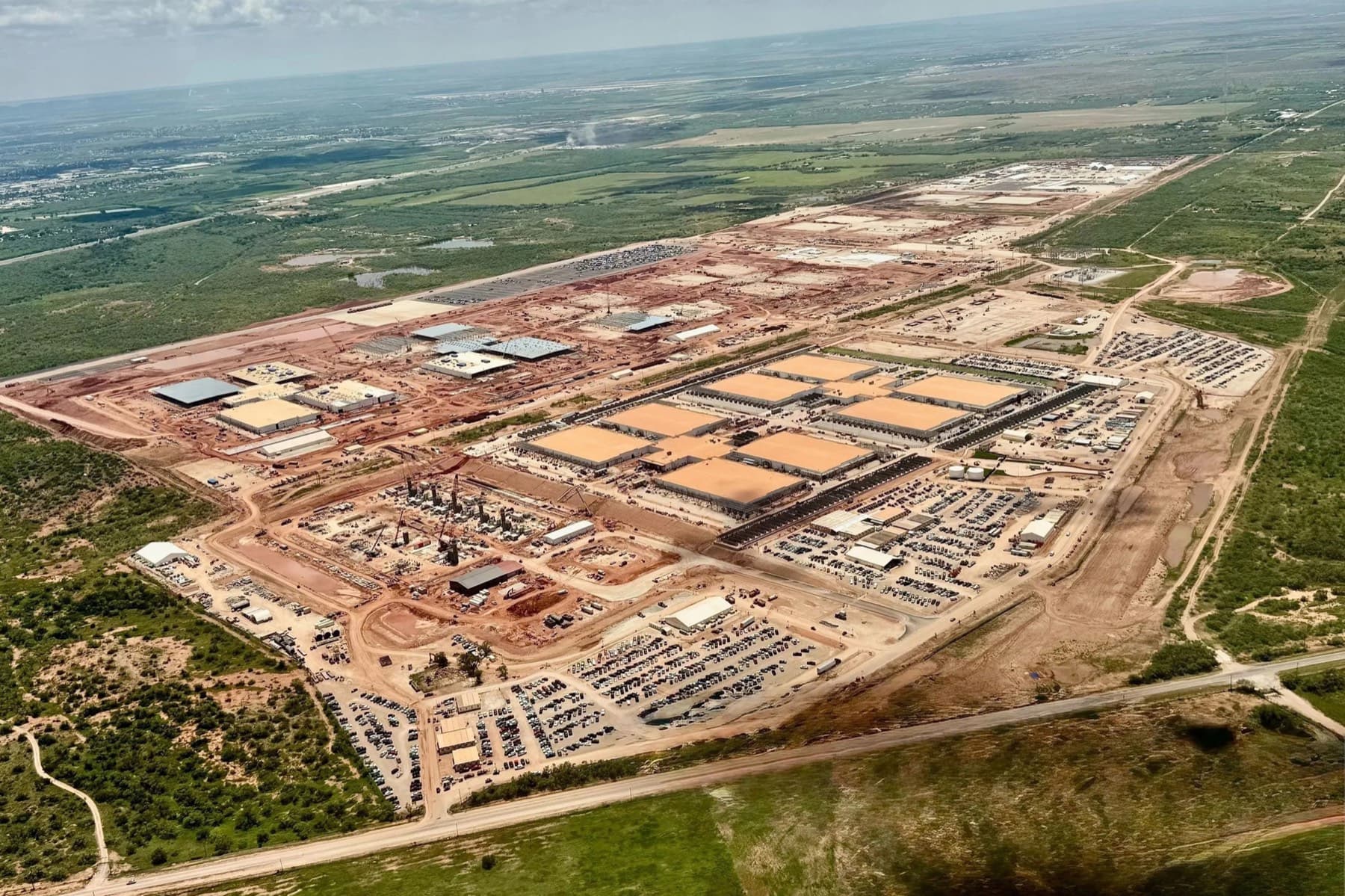
General Contractors of McKinney builds data centers and mission-critical facilities for owners, colocation developers, and enterprise clients who need field execution to match the precision their infrastructure demands. Data center construction is not a standard industrial project — it layers mechanical redundancy, precise power sequencing, structural coordination for high-density loads, and critical utility scheduling into a workflow that leaves no room for improvisation.
McKinney's location along the US-75 corridor and Sam Rayburn Tollway has made it an active market for technology campuses and secondary data center deployments outside the high-land-cost core of Plano and Richardson. Our team has worked through CoServ utility zones in western McKinney and Oncor territories in eastern areas, and the difference in transformer lead times and substation coordination between the two providers is real — a project that doesn't account for that utility detail from day one will slip.
We build data centers from ground up, including shell and core construction, generator yards, electrical rooms, and all rough-in, as well as fit-out of leased shells where owners need a fit-out contractor with the technical coordination depth to interface with mechanical and electrical subs on critical path items.
- Ground-up data center shell and core construction
- Generator yard and electrical room coordination
- Raised-floor structural planning and coordination
- High-density rack and cooling layout interface
- CoServ and Oncor utility sequencing management
Preconstruction for Mission-Critical Schedules
Data center preconstruction at General Contractors of McKinney starts with utility sequencing as a hard constraint, not a soft target. In Collin County, transformer and switchgear lead times from both CoServ and Oncor routinely run 26 to 52 weeks for large service requirements. We identify utility service requirements, submit applications, and lock milestone dates before we break ground, because the alternative is a finished shell sitting idle waiting for power.
Structural coordination for data center loads requires early engagement with the mechanical and electrical design team. High-density computing zones require specific slab loading criteria, raised-floor point load analysis, and overhead cable tray routing that must be resolved during design — field changes to accommodate cooling or power infrastructure are expensive and schedule-consuming on mission-critical projects.
McKinney's Blackland Prairie expansive clay subgrade is a real engineering consideration for data center foundations. Pier-and-grade-beam foundations are common on the Prairie soils that underlie most of the industrial and commercial zones in McKinney, and our preconstruction team scopes foundation work accurately from the geotechnical report rather than applying generic slab assumptions.
- Utility lead-time identification and early application submission
- Structural coordination for high-density load requirements
- Foundation scoping from geotechnical data on Blackland Prairie clay
- Long-lead equipment procurement scheduling
- Critical path schedule development with utility milestones locked
Field Execution for Critical Infrastructure
Data center field execution at General Contractors of McKinney is built around keeping mechanical, electrical, and structural trades in sequence. The compressed schedules common on data center projects — owners often want energization within 12 to 18 months of groundbreaking — require a superintendent who understands the interface points between trades and can catch coordination conflicts in the field before they become RFIs that cost two weeks of schedule.
North Texas summer heat creates real constraints on mission-critical construction. Concrete placement in McKinney during July and August requires early morning pours, ice-batched water, and extended curing windows to hit the compressive strength targets required for data center slabs. Our crews are experienced with summer pour protocols across Collin County and do not let heat become an unplanned schedule risk.
Collin County's hail corridor is active enough that roofing and mechanical yard equipment require protected delivery coordination and scheduled post-event inspections. We maintain coverage on all materials in place and can turn inspections quickly after weather events to keep schedule impact minimal on critical path activities.
- Multi-trade sequencing for mechanical, electrical, and structural interface
- Summer concrete pour protocols for McKinney's 100°F+ peak heat
- Hail corridor equipment protection and post-event inspection process
- Critical path schedule tracking with daily field reporting
- Commissioning coordination and systems readiness verification
McKinney Data Center Construction Service Area
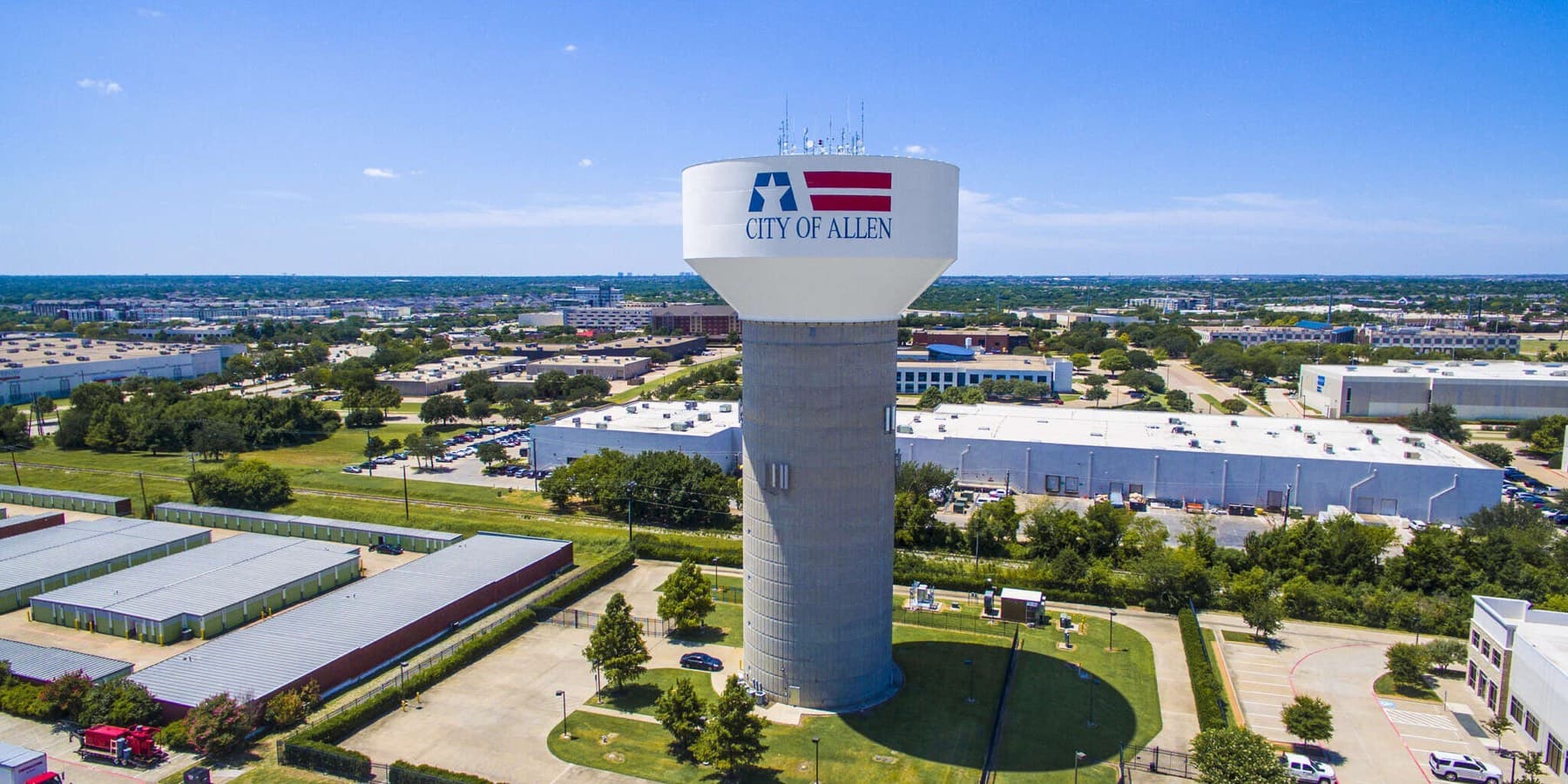
General Contractors of McKinney builds data centers and mission-critical facilities across McKinney, Allen, Frisco, Fairview, Lucas, Princeton, Melissa, Anna, and Celina. We work in both CoServ and Oncor utility territories and are familiar with permitting timelines across Collin County jurisdictions.
Whether your data center project is a ground-up development on a McKinney industrial site, a campus expansion near McKinney National Airport, or a fit-out of an existing shell in a business park along the Sam Rayburn Tollway or US-75 corridor, our team can provide preconstruction estimates, utility sequencing coordination, and full construction management from permit to commissioning.
Related Markets
McKinney, TX
Primary market for commercial and industrial construction across central McKinney, US-75 frontage, and major growth corridors.
Open market pageDowntown McKinney, TX
Urban infill and redevelopment support for commercial projects near the courthouse square and surrounding mixed-use streets.
Open market pageCraig Ranch, TX
Master-planned mixed commercial market for office, hospitality-support, and higher-visibility corporate projects.
Open market pageStonebridge Ranch, TX
Neighborhood commercial and service-sector market supporting local retail, office, and community-serving development.
Open market pageAllen, TX
Dense north DFW commercial market with strong retail, office, and service-sector construction demand.
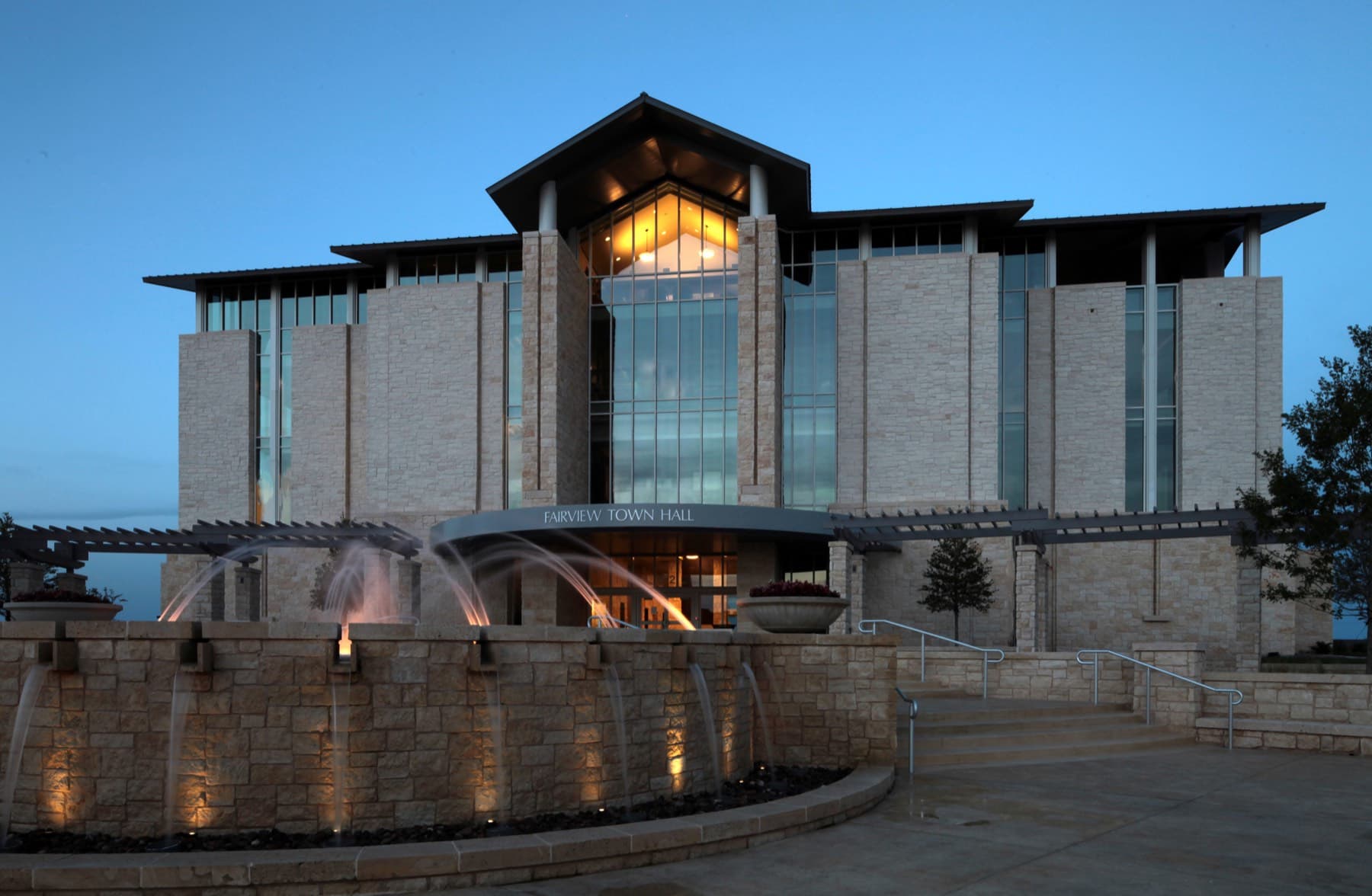
Open market pageFairview, TX
Growth-area market supporting higher-end commercial, healthcare, and mixed retail development along the US-75 corridor.
Open market pageFrequently Asked Questions
What utility coordination is required for data center construction in McKinney?
McKinney spans both CoServ and Oncor service territories, and transformer delivery lead times for large services can run 26 to 52 weeks with either provider. General Contractors of McKinney identifies your utility service requirements and submits applications at the start of preconstruction to avoid holding a finished building waiting on power.
How does your team handle the structural requirements for high-density data centers?
We coordinate with the mechanical and electrical design team during preconstruction to resolve slab loading criteria, raised-floor point load requirements, and overhead cable tray routing before field work begins. Changes to accommodate cooling or power infrastructure in the field are expensive — we catch those conflicts during design.
Can you build on Blackland Prairie clay soils common in McKinney?
Yes. Blackland Prairie expansive clay is the standard subgrade condition across much of McKinney's commercial and industrial zones. We scope foundation systems from geotechnical reports and are experienced with pier-and-grade-beam foundations, moisture conditioning, and the compaction procedures required on these soils.
Do you handle generator yard and electrical room construction?
Yes. We build complete data center shells including generator yards, electrical rooms, UPS rooms, and all structural and mechanical rough-in. We coordinate generator delivery and pad construction as part of the project schedule, not as a separate contract.
What areas near McKinney do you serve for data center projects?
We serve McKinney and the broader North DFW market including Allen, Frisco, Fairview, Lucas, Princeton, Melissa, Anna, and Celina. We are experienced with permitting across Collin County and work in both CoServ and Oncor utility territories.